Economic Resilience in the Mexican Selva: 14 Tseltal Women Become Entrepreneurs

Economic Resilience in the Mexican Selva: 14 Tseltal Women Become Entrepreneurs

Economic Resilience in the Mexican Selva: 14 Tseltal Women Become Entrepreneurs

Project status: ongoing

SDGs addressed:

From ASL we continue collaborating with IXIM, A.C., a non-profit organisation that works with women’s groups in Tseltal Indigenous communities that suffer serious rights violations and inequality. IXIM, A.C. offers a training and accompaniment program to these groups in order to improve the economic, social, and environmental situation of the communities. The result of this support is the creation of savings and loan groups as well as productive entrepreneurship initiatives to improve families’ economic conditions.

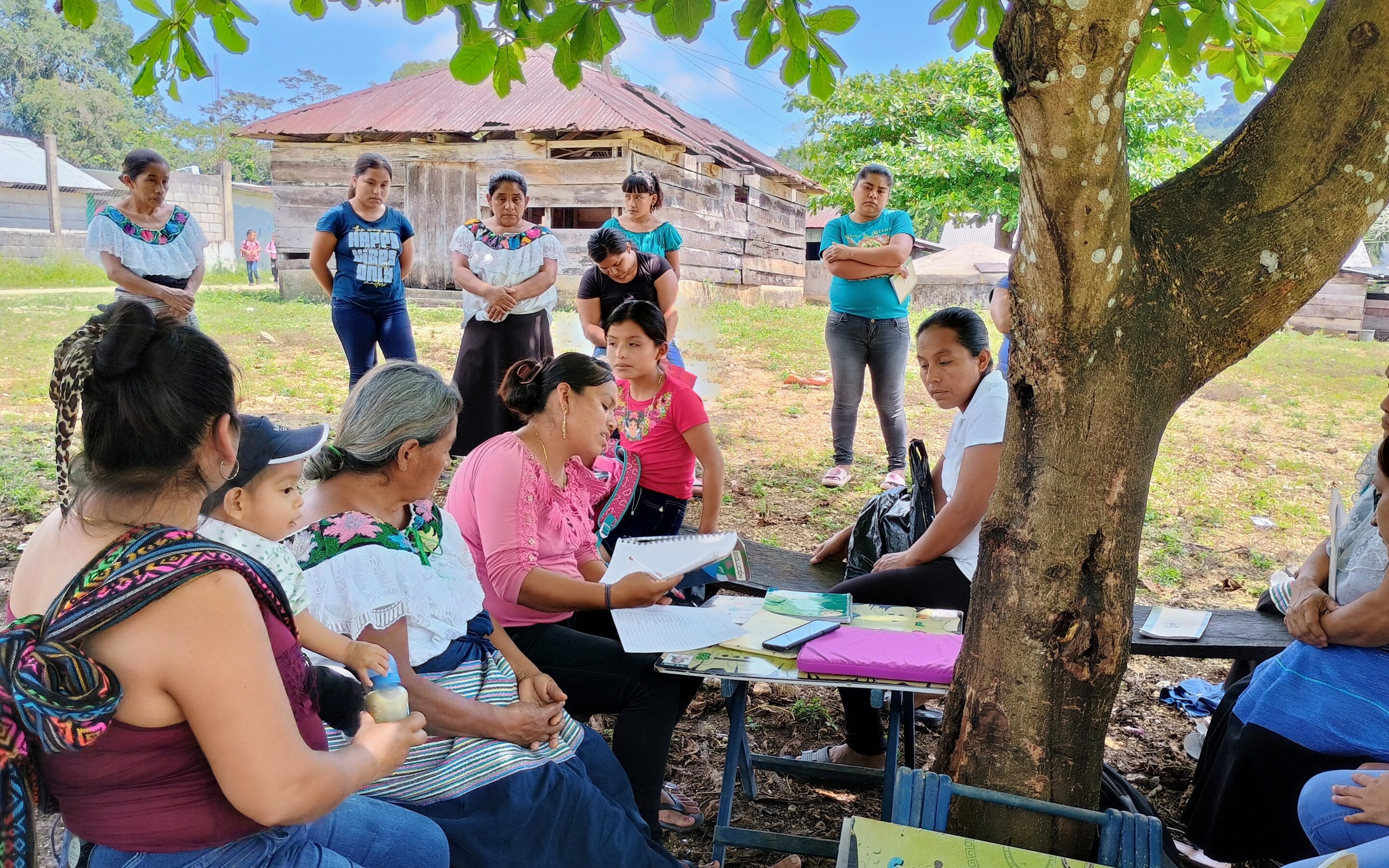
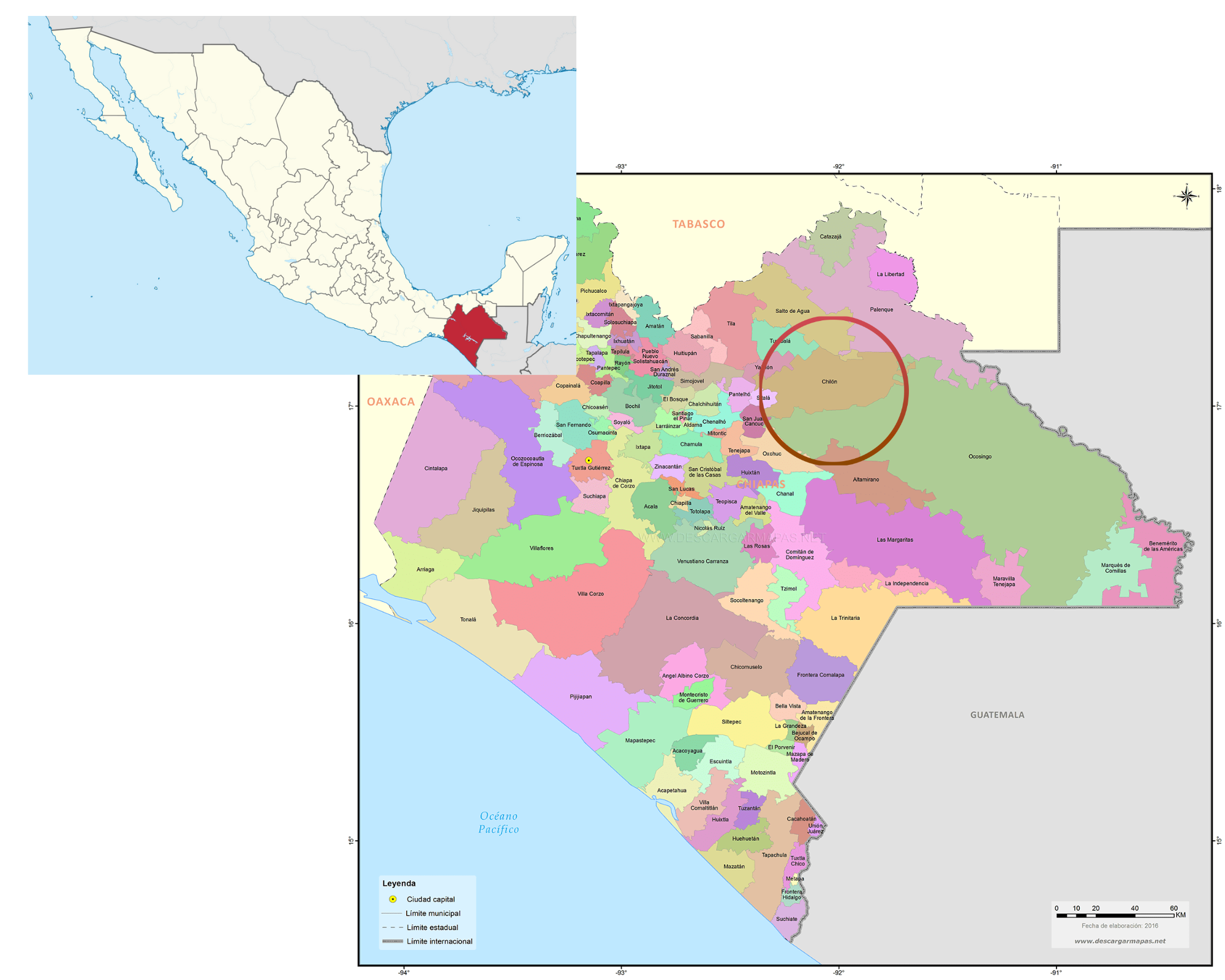
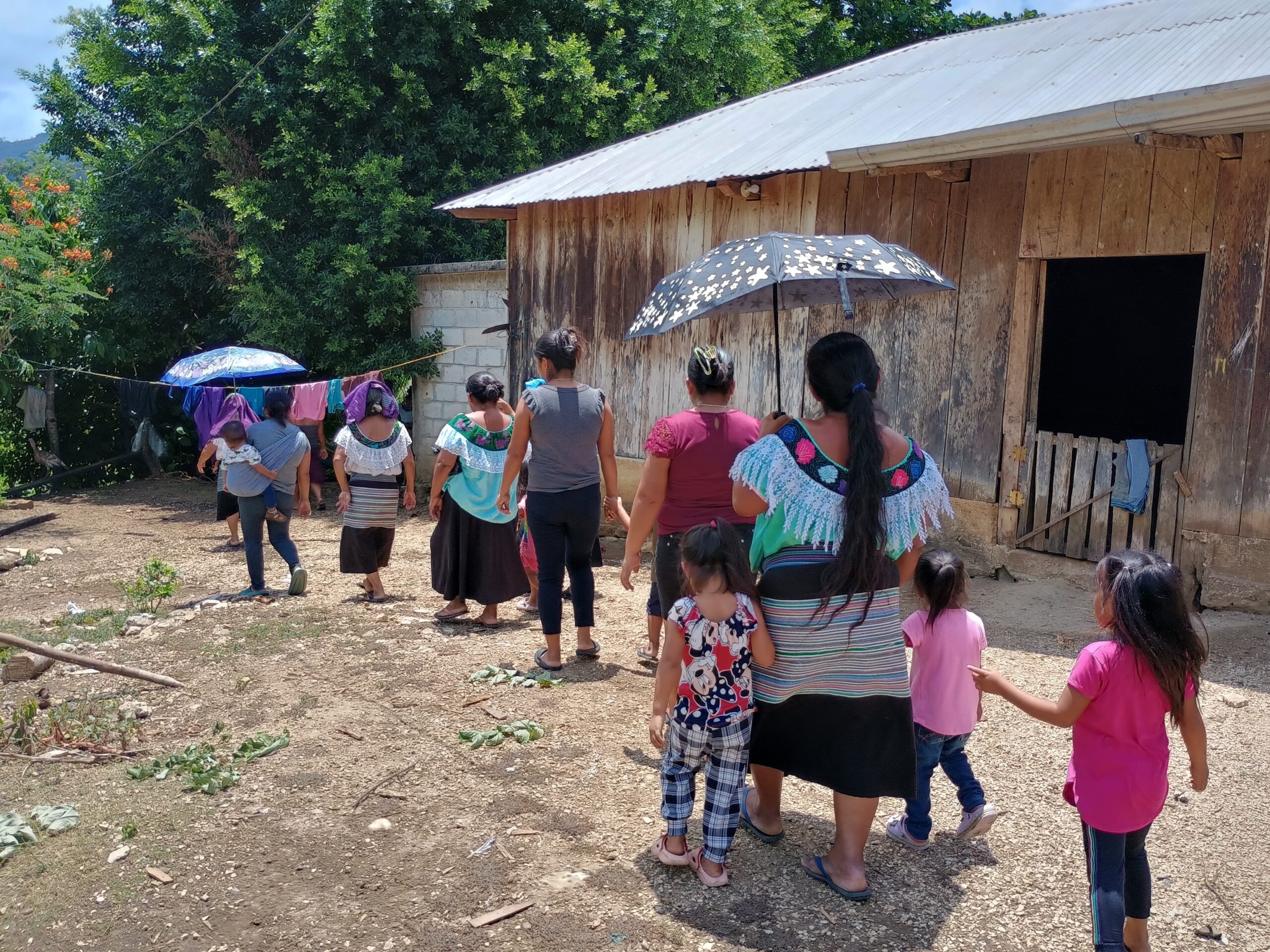
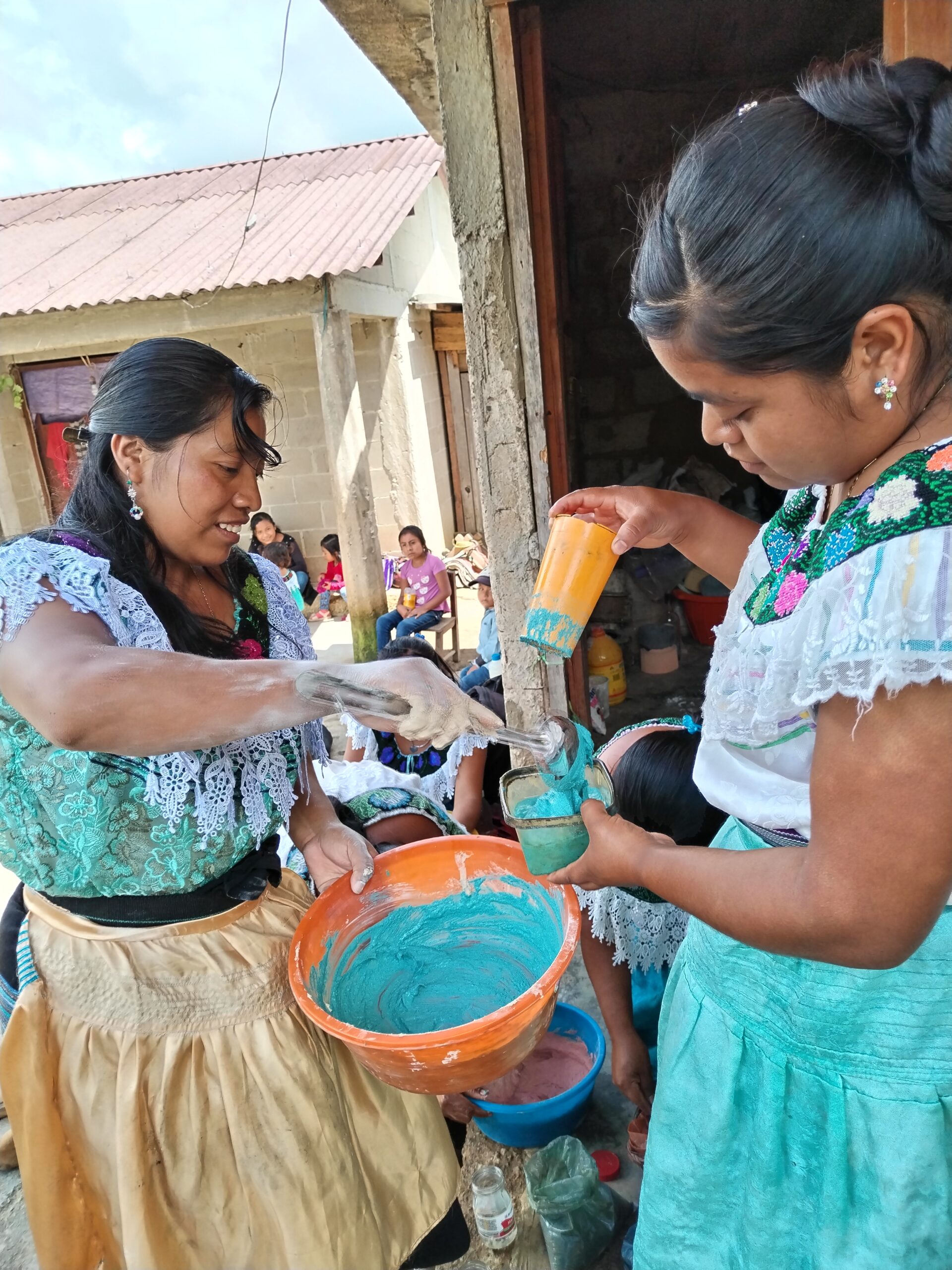
Currently, ASL’s support will strengthen the community entrepreneurship project led by 14 Tseltal women in the community of San Pedro Tulijà, in the municipality of Chilón, Chiapas, Mexico. After five years working within IXIM, A.C.’s proposed pathway, they seek to consolidate an enterprise dedicated to producing food products, nutritional supplements, and beverages made with local ingredients and processing techniques that extend their shelf life and optimal consumption quality. The project has a social and solidarity economy approach, combining training, technological innovation, and business education to expand their market at local, regional, and national levels.

IXIM, A.C.’s entire support itinerary aims to empower these communities so they can self-manage their resources and find collective solutions to the social challenges they face, becoming active agents of change. The methodology used is based on respecting the sovereignty of the communities the organisation works with and on the principles of the Social and Solidarity Economy. The aim is to achieve Buhts’an Quin’al (a Tseltal term that implies harmony with oneself, with others, and with nature). To reach this goal of full self-management, a learning process led by IXIM is necessary, initially more guided but progressively moving towards full individual and collective autonomy. At the same time, the pathway must be their own—collective, informed, and transparent—and both parties must understand the responsibility and commitment involved.

Una col·laboració amb:

Un projecte amb el suport de:

Rehabilitation of the Facilities of the House of the Messengers of the Elderly of Potrerillos.

Rehabilitation of the Facilities of the House of the Messengers of the Elderly of Potrerillos.

Rehabilitation of the Facilities of the House of the Messengers of the Elderly of Potrerillos.

Project status: ongoing

SDGs addressed:

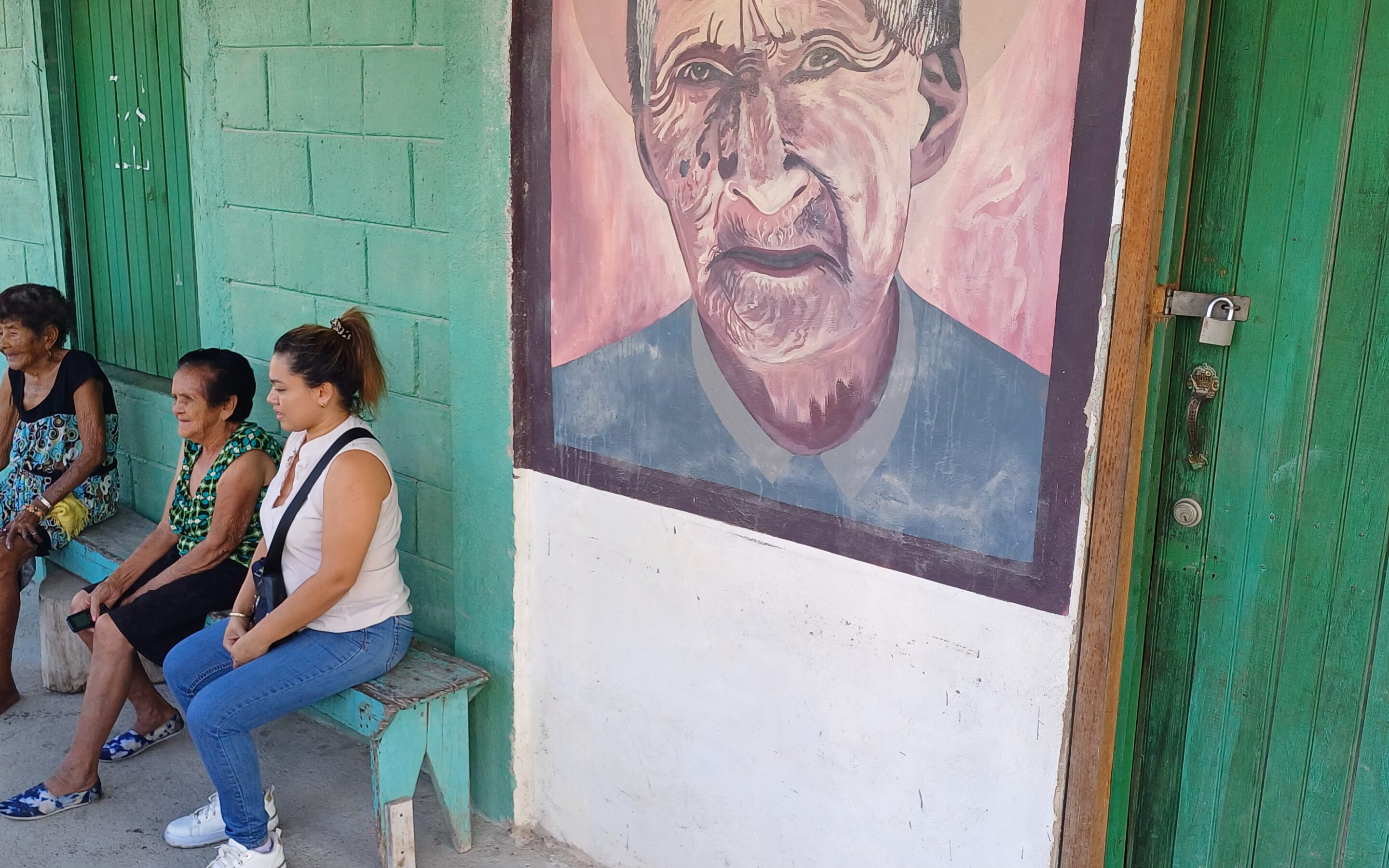
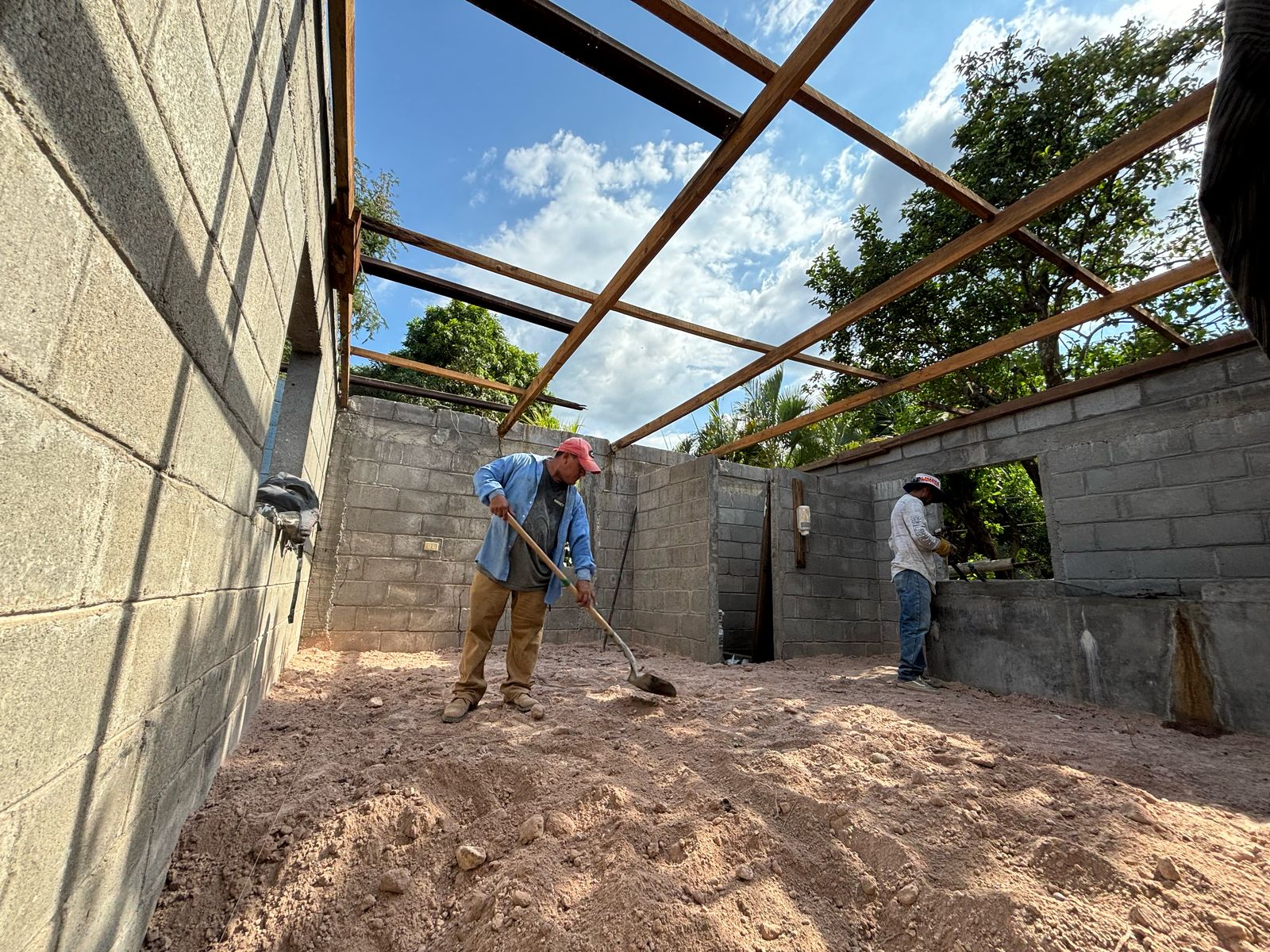
The Casa Hogar de los Mensajeros de la Tercera Edad (hereafter, CMTE) in Potrerillos is the only institution that carries out social activities and provides healthcare support for people over 65 years old, many of whom are in vulnerable situations, in the city. Currently, 476 people benefit from the services and activities they organize.

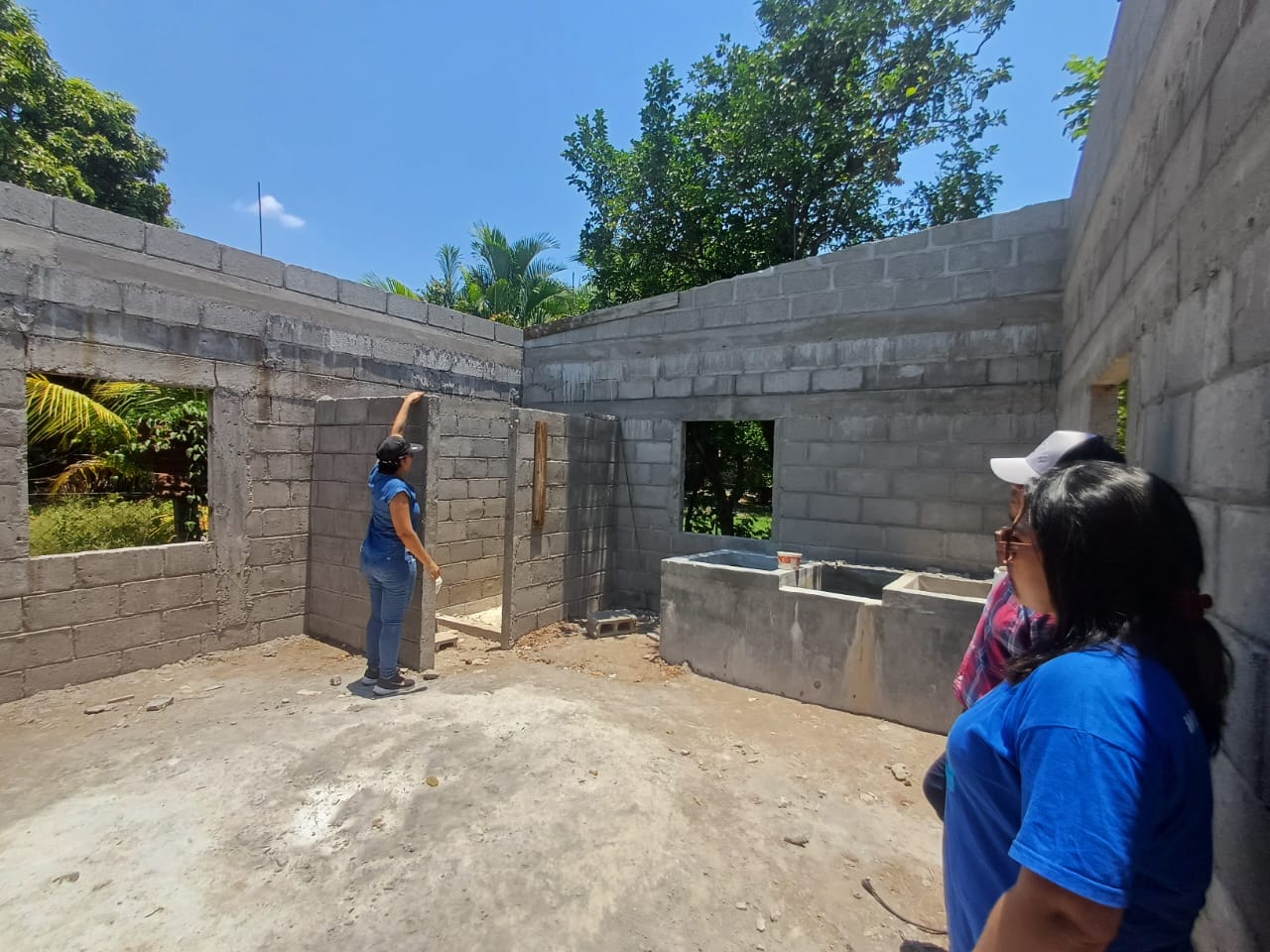
The main objective of the project is to improve the conditions of the facilities, approximately 400 m² in size, which are in a significant state of deterioration: the roof is severely damaged and cannot support the weight of the current zinc sheets, there is poor insulation on doors and windows, the kitchen does not meet optimal hygienic or operational conditions, there is no adequate room to conduct medical consultations, and there are no adapted bathrooms. In these conditions, three elderly homeless people also live on-site, without a specific and suitable space in which to reside.

For this reason, it is important to renovate the deteriorated parts of the building, improve climate control, and adapt specific spaces for healthcare activities, accommodation for homeless people, meal preparation, and accessible bathrooms suited to the mobility challenges of the elderly.

The project also counts on the support of the managing entity of the Elderly Home, led by its President, and the Municipality of Potrerillos. Until the start of the project, the municipality had not allocated any budget, but it is now acting as a counterpart by providing the staff in charge of the project and part of the materials needed for the rehabilitation. Furthermore, linked to the physical improvement of the space, the Municipality has committed to expanding services for elderly care by hiring two staff members who will perform user support tasks and maintain the facilities. Therefore, improving the conditions of the facilities has a positive impact on users by enhancing the services offered, expanding them, and ensuring optimal quality.

In summary, the project seeks to foster a space that enables elderly people living in Potrerillos to access services that promote healthy and active ageing—physically and socially—thus improving their well-being in this stage of life.

A collaboration with:

A project supported by:
Improving Accessibility of the Primary Education School in Douar de Tighmarte (Morocco)

Improving Accessibility of the Primary Education School in Douar de Tighmarte (Morocco)

Improving Accessibility of the Primary Education School in Douar de Tighmarte (Morocco)

Project status: ongoing

SDGs addressed:

The positive outcomes of the 2024 collaboration and the good working relationship between ASL and the Association de Jeunes pour le Développement Rural de Tighmarte mean that in 2025 we continue working with the Tighmarte community in the Moroccan High Atlas.

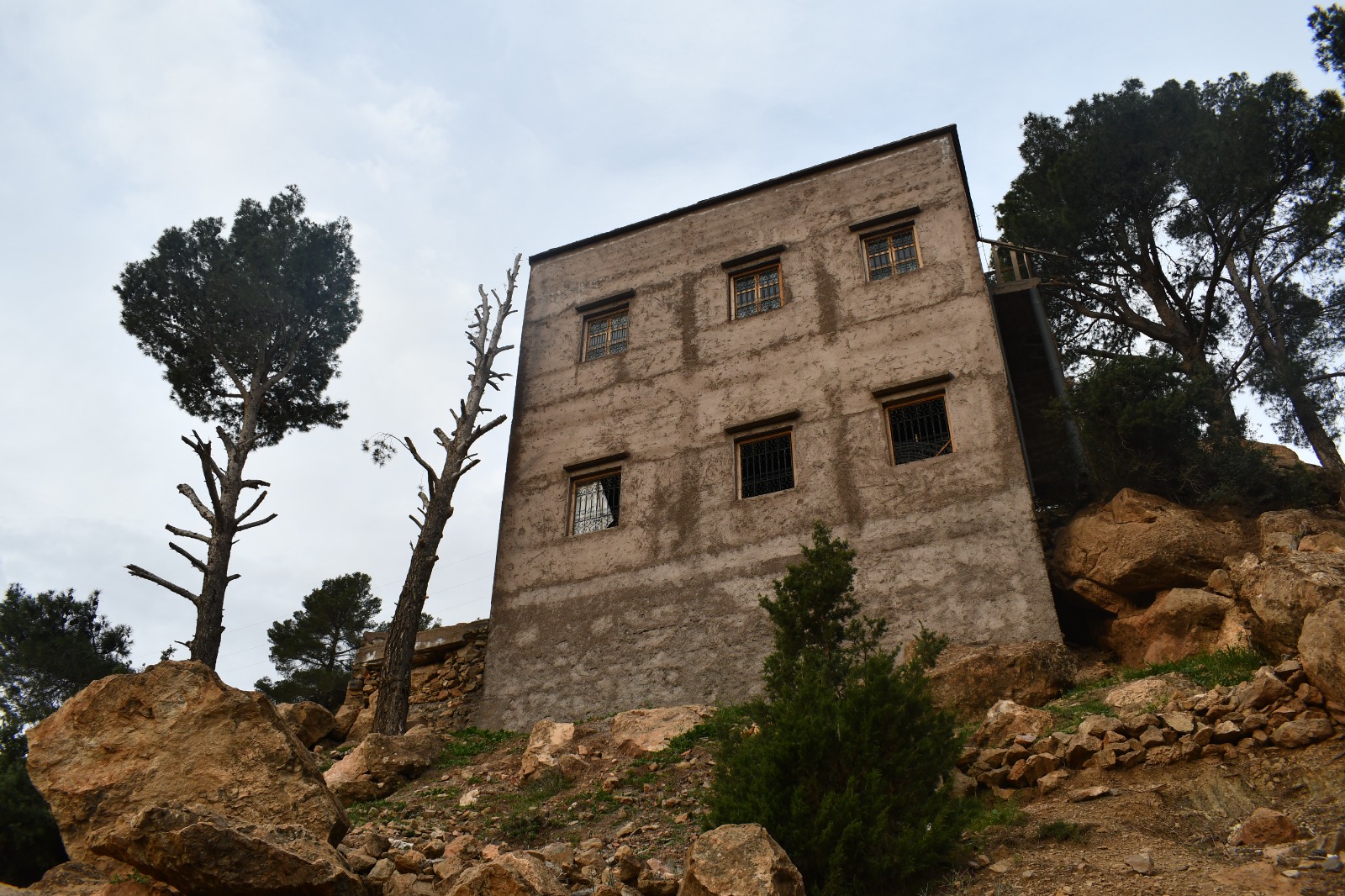
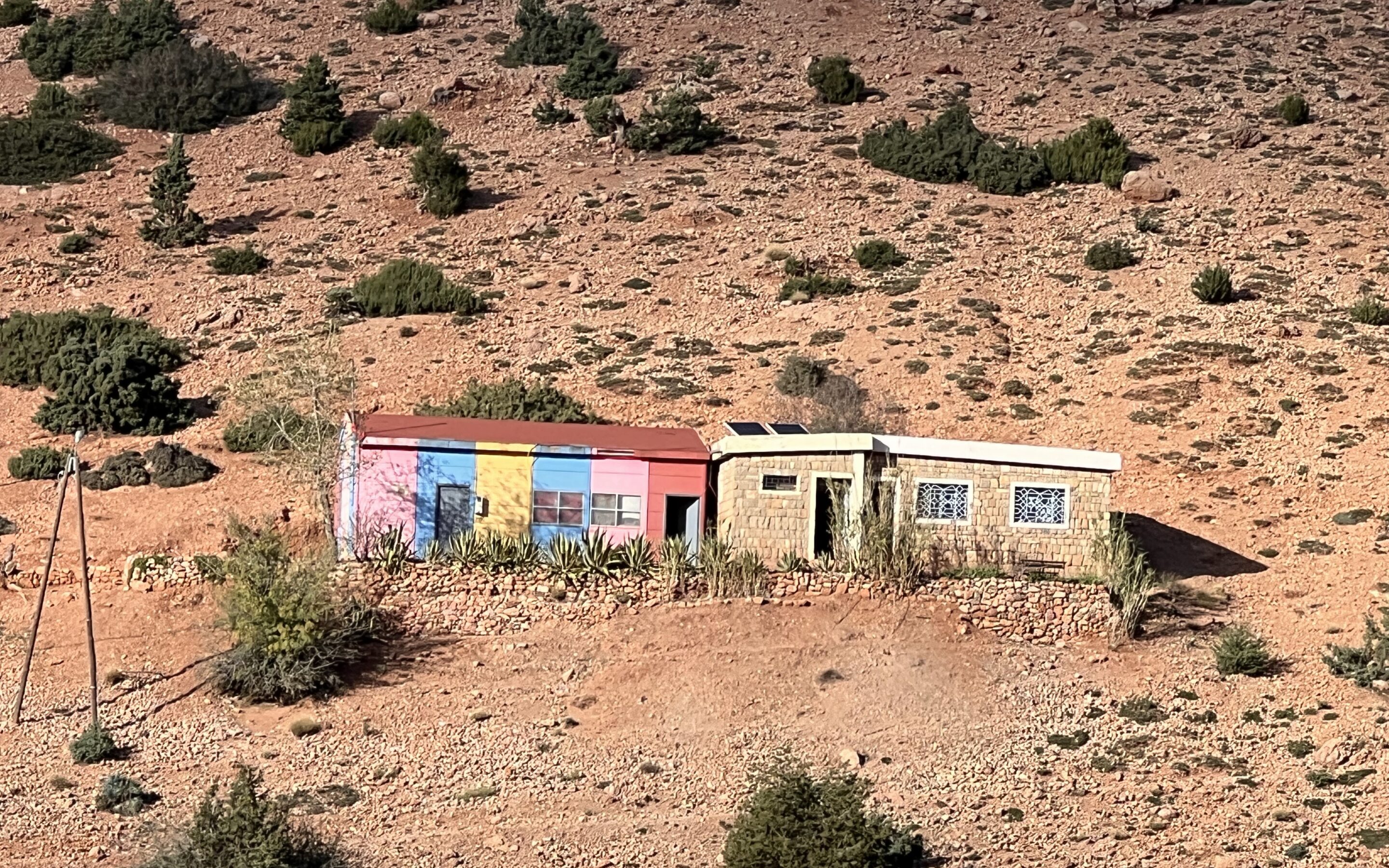
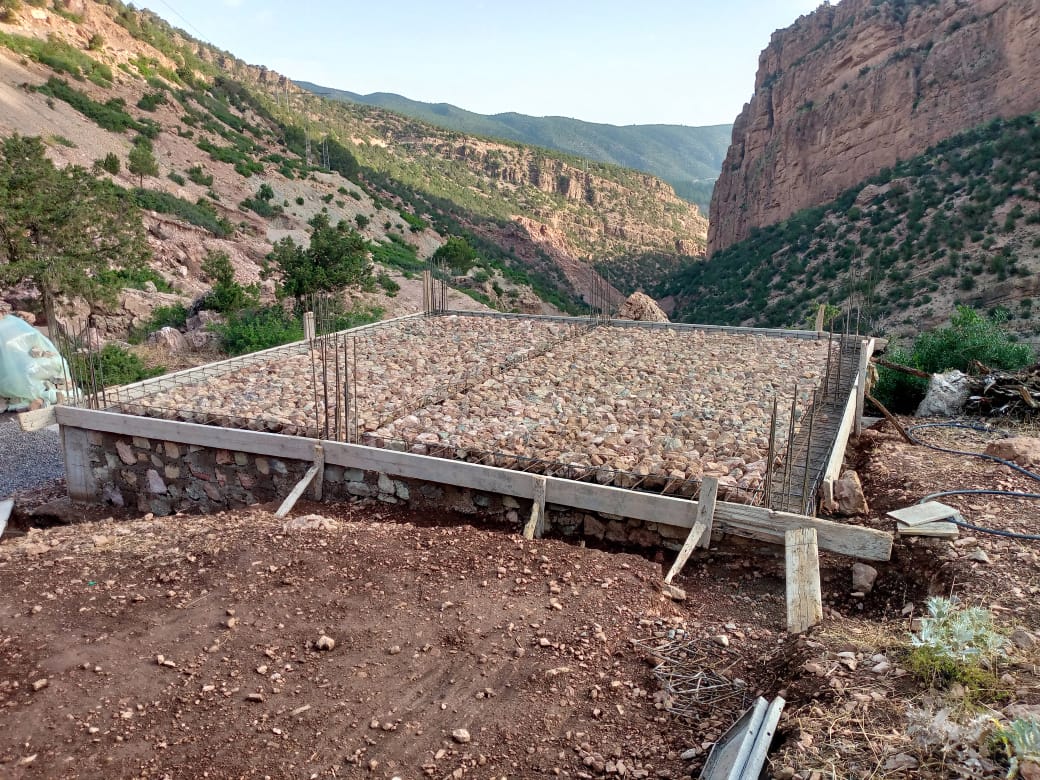
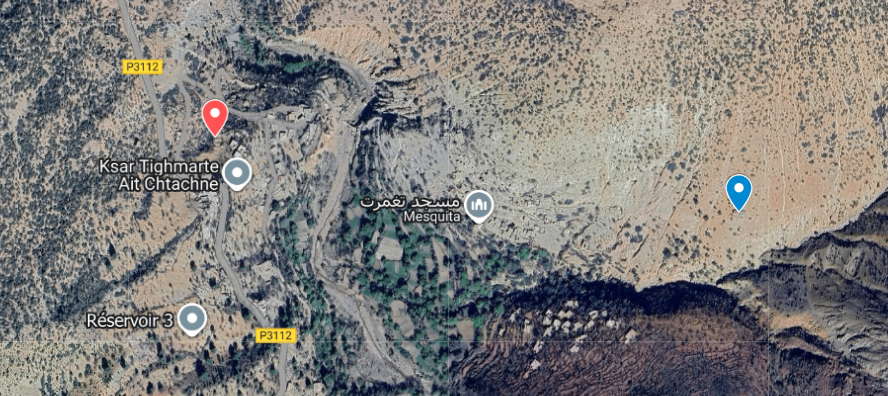
This year’s project proposal involves relocating the current municipal school to a new site. At present, the school is located about 3 km from the urban area, accessible only on foot and without proper paths. Furthermore, it lies at the foot of the mountain, making it vulnerable to flooding. The current facilities consist of prefabricated classrooms with no toilets, which limits access to basic and dignified hygiene services. The school currently hosts around 30 students and has two teachers in charge.


The main goal of the project is to build solid and suitable facilities that will put an end to the precarious and temporary conditions of the prefabricated classrooms. The new school will be located close to the inhabited area, with easy access for the children of the community and for vehicles, also enabling attendance by students from neighboring villages. This new infrastructure will ensure access to education in safe spaces adapted to the needs of children, helping to improve the quality of learning. Moreover, the project will strengthen the educational work in the area, ensuring an essential service for the community. Thanks to these improvements, the plan includes adding a new educational service for early childhood (ages 3–6).

New school (red icon), Old school (blue icon)

In collaboration with:

A project supported by:
Hi’lum Antsetic (Women of Sand) – Economic resilience for 12 Tseltal women

Hi’lum Antsetic (Women of Sand) – Economic resilience for 12 Tseltal women

Hi’lum Antsetic (Women of Sand) – Economic resilience for 12 Tseltal women

Acció Solidària i Logística has launched a collaborative project with IXIM, A.C., an association whose mission is to support the Tseltal indigenous communities in the state of Chiapas, promoting the self-managed development of their communities based on their own values.

The project aims to mitigate the vulnerability of indigenous communities. Their economy, based on crafts and agriculture (precarious sectors in Mexico), and their geographical location (mostly in rural areas), causes them to suffer from exclusion. This situation is reflected in high rates of poverty, marginalisation and discrimination against indigenous people, who are forced into precarious employment, problems accessing housing, difficulties in obtaining healthcare and education, and isolation due to living in areas with poor transport and communications links. Under these conditions, it is difficult to achieve equal opportunities and the fulfilment of their basic rights, perpetuating this vulnerability for future generations.


To reverse this situation, IXIM, A.C. works in the area by creating self-financing and loan groups, as well as productive enterprises. The working methodology is medium-term, with the entire support process lasting approximately six years. This entire itinerary serves to consolidate the group, as it is possible that not all the people who start the project will complete it, depending on their personal circumstances or their level of interest. For this reason, training in self-awareness and cooperative skills is particularly important, as is the training necessary to carry out the activities, both those related to self-financing and those related to the chosen production path.

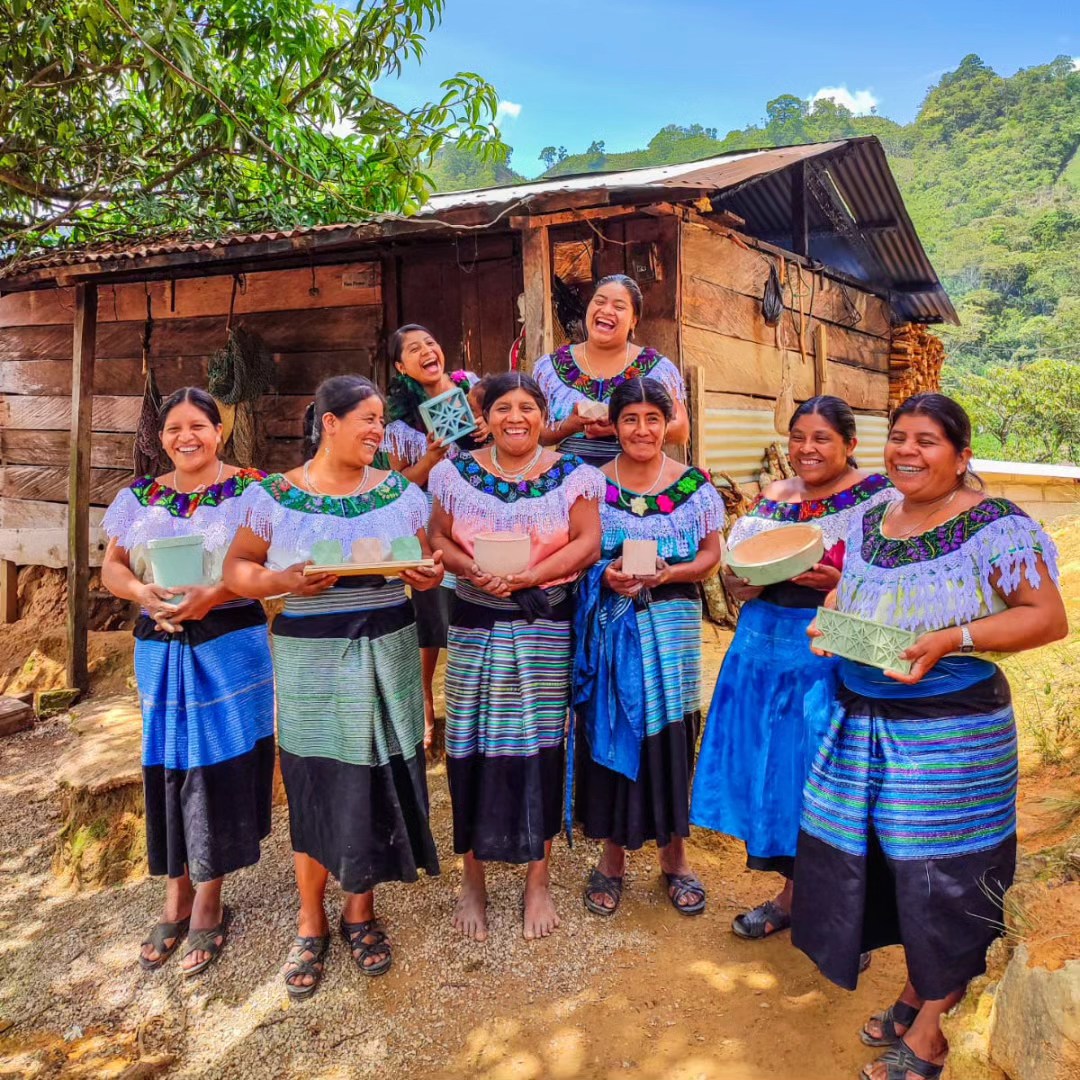
Currently, IXIM works with six self-financing and loan groups (four consisting solely of women and two mixed). Three of these groups have launched productive entrepreneurship projects. In our case, we will support the Grup Hi’lum Antsetic (Women of Sand) entrepreneurship project: 12 women who work producing decorative items. This group of women are from the community of Pinabetal, in the municipality of Chilón. They began their journey in 2019 and until 2021 they received training in health, nutrition and the environment. The self-financing group created in 2021 is made up of 18 women, 12 of whom have formed the enterprise.

At present, they have acquired the training and basic equipment to start production, and already have three products in their catalogue. They are currently in the process of promoting the commercialisation of their products and stabilising the business by developing three new products. The aim is for the project to become a stable economic resource for the community and their families.

The criteria that led us to support this project were as follows:

  • Its long history of working in Tseltal communities. IXIM, A.C. was created in 2000, and this experience has enabled it to identify the needs of communities and offer a training programme that has been adapted and improved as a result of overcoming the obstacles that have arisen.


  • The clear determination to empower the most vulnerable people in the Tseltal communities, in this case women. The Tseltal communities have deeply rooted gender roles based on the division of community tasks; women are responsible for caregiving (home, children, elderly people, etc.) and men are responsible for work and family decision-making. This project aims to change these dynamics and involve women in jobs that they have often never done before and do not feel qualified for.


  • The methodology applied is based on the full involvement of the beneficiaries; without their willingness, the project cannot move forward. In this way, the cultural and social characteristics of the communities with which they work are also respected throughout the process.


  • The project has been running for two years with positive results, and the expected outcomes have improved year on year.


  • Finally, the proximity between the Chiapas region and Honduras means that we can monitor the project on the ground, taking advantage of the annual monitoring trips to projects in Honduras.

A collaboration with:

A project supported by:
Migrant Stories: Local causes, global responsibility.

Migrant Stories: Local causes, global responsibility.

Migrant Stories: local causes, global responsibility.

It is a project to raise awareness about the reality and reasons that lead young Senegalese people to want to migrate. In this way, we want to promote the awareness-raising work that we have been doing for years with our volunteers.

This proposal began to take shape in 2022. Throughout that year, three talks were held at the Lycée Djignabo Institute in Ziguinchor, focused on raising awareness among young people about what it means to migrate to European countries. The aim was to provide as much information as possible about the consequences of boarding a cayuco bound for Europe, so that they could make a decision with the utmost knowledge and responsibility. Following this line of work, we have begun work on the next project in the country: the filming of a documentary on the causes that lead thousands of young Senegalese to seek new opportunities.


This project has two objectives:

On the one hand, continue raising awareness in secondary schools in Ziguinchor. Inform young Senegalese people of the risks involved in undertaking such a journey. According to a 2019 study, Scaling Fences, more than half of the migrants surveyed described the migration journey as more dangerous than they had expected.

On the other hand, in Catalonia, efforts are being made to change the host society’s perception of migrants and their journeys. As members of the host society, we are often very uninformed about the reality that migrants have left behind and the difficulties they face in their daily lives, systematically violating their rights and justifying certain attitudes through racist narratives rooted in the collective imagination. Therefore, we want to bring these realities closer to home in order to bring about change in these narratives and demand full guarantees of rights for all people.

Filming took place in Catalonia and Senegal during the autumn of 2023. We are currently in the process of editing all the recorded material. The project will feature various audiovisual works. At this point, we already have a work available with testimonies from Senegalese people who have arrived in Catalonia, which will be used to raise awareness in Senegal, and a short film to raise awareness in Catalan educational centres. In September, we will have completed the feature film, which will allow us to reach a wider audience.

You will receive more news about upcoming activities!

Collaborating production company:

A project supported by: