Economic Resilience in the Mexican Selva: 14 Tseltal Women Become Entrepreneurs

Economic Resilience in the Mexican Selva: 14 Tseltal Women Become Entrepreneurs

Economic Resilience in the Mexican Selva: 14 Tseltal Women Become Entrepreneurs

Project status: ongoing

SDGs addressed:
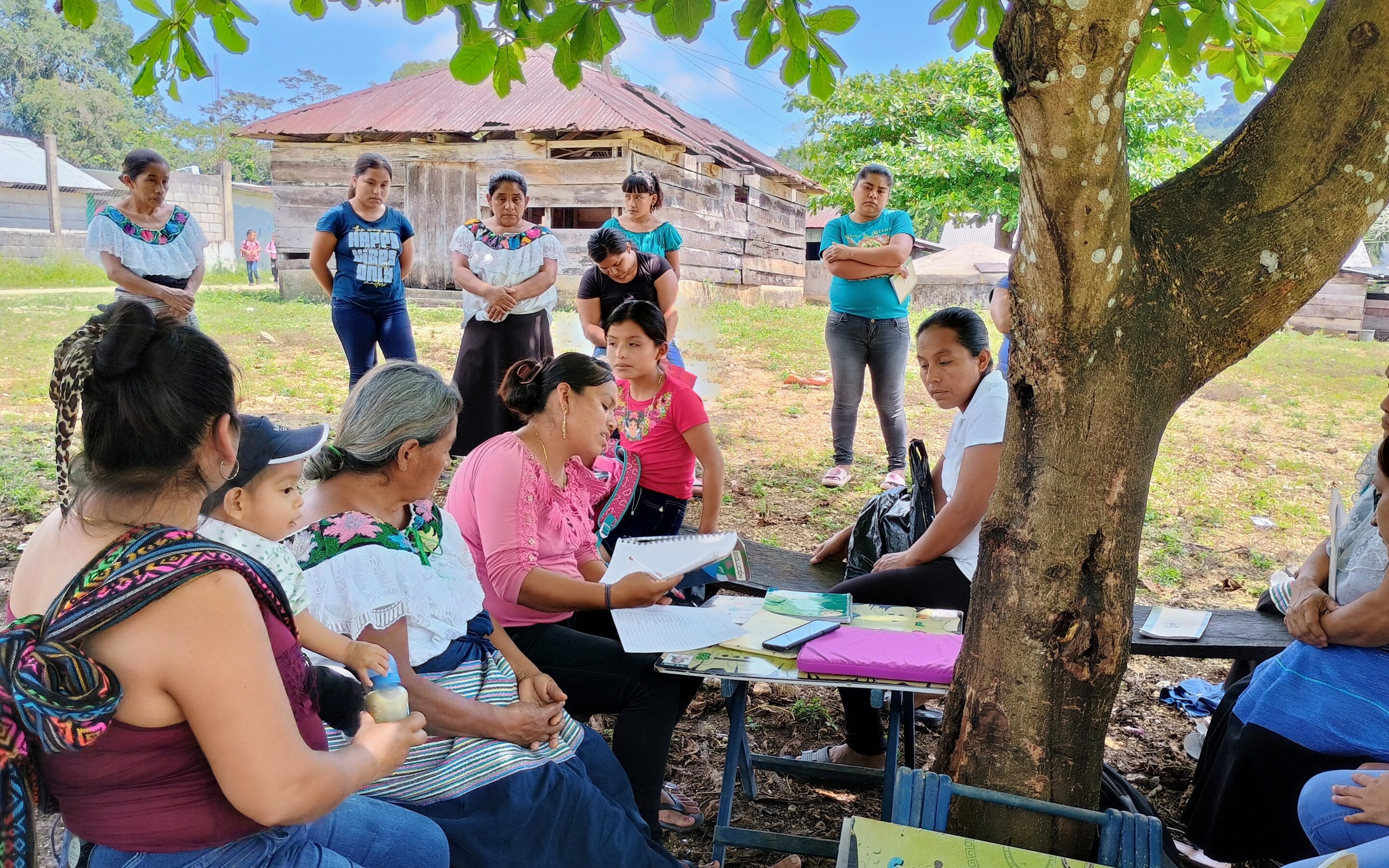
From ASL we continue collaborating with IXIM, A.C., a non-profit organisation that works with women’s groups in Tseltal Indigenous communities that suffer serious rights violations and inequality. IXIM, A.C. offers a training and accompaniment program to these groups in order to improve the economic, social, and environmental situation of the communities. The result of this support is the creation of savings and loan groups as well as productive entrepreneurship initiatives to improve families’ economic conditions.

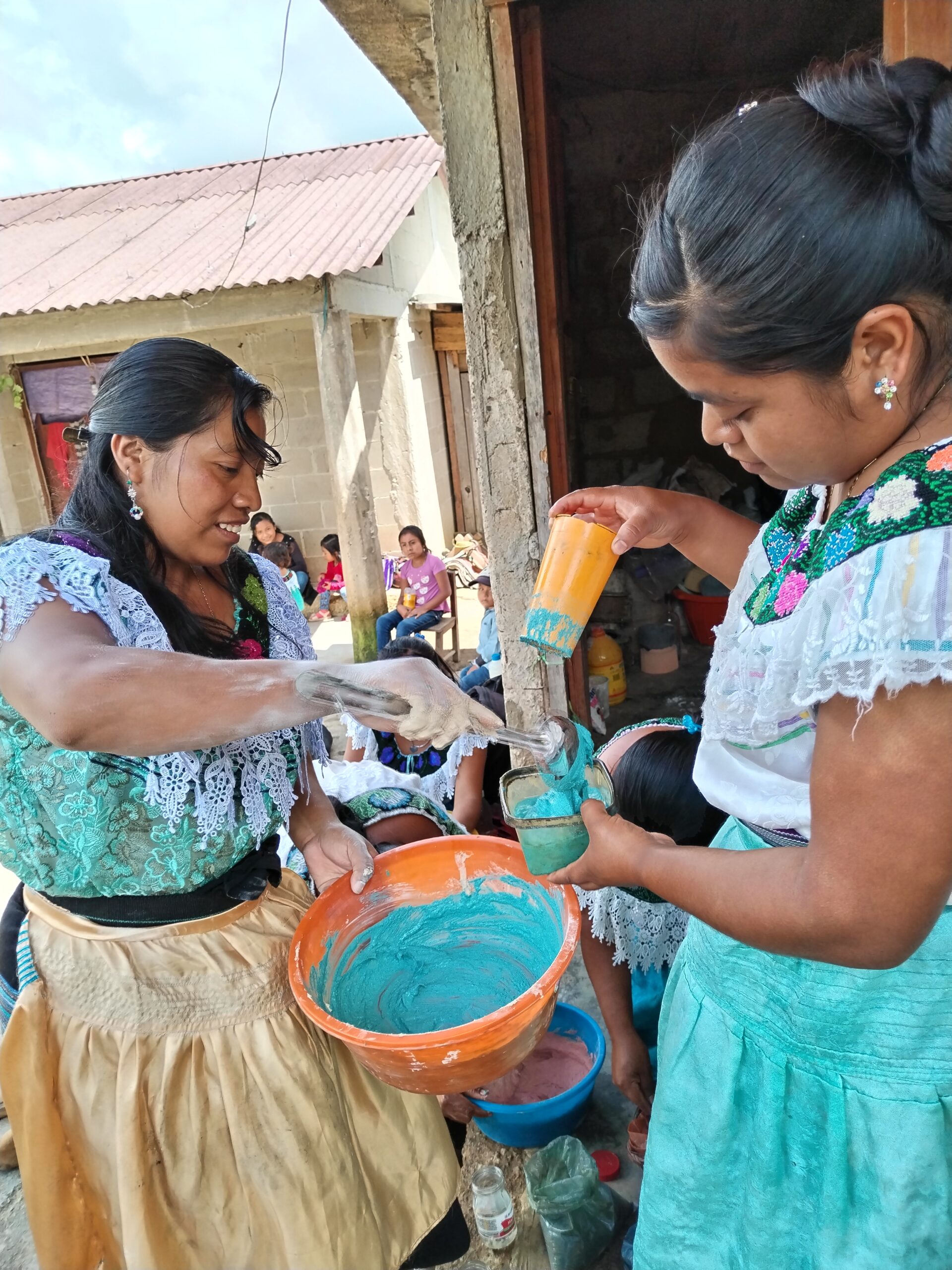
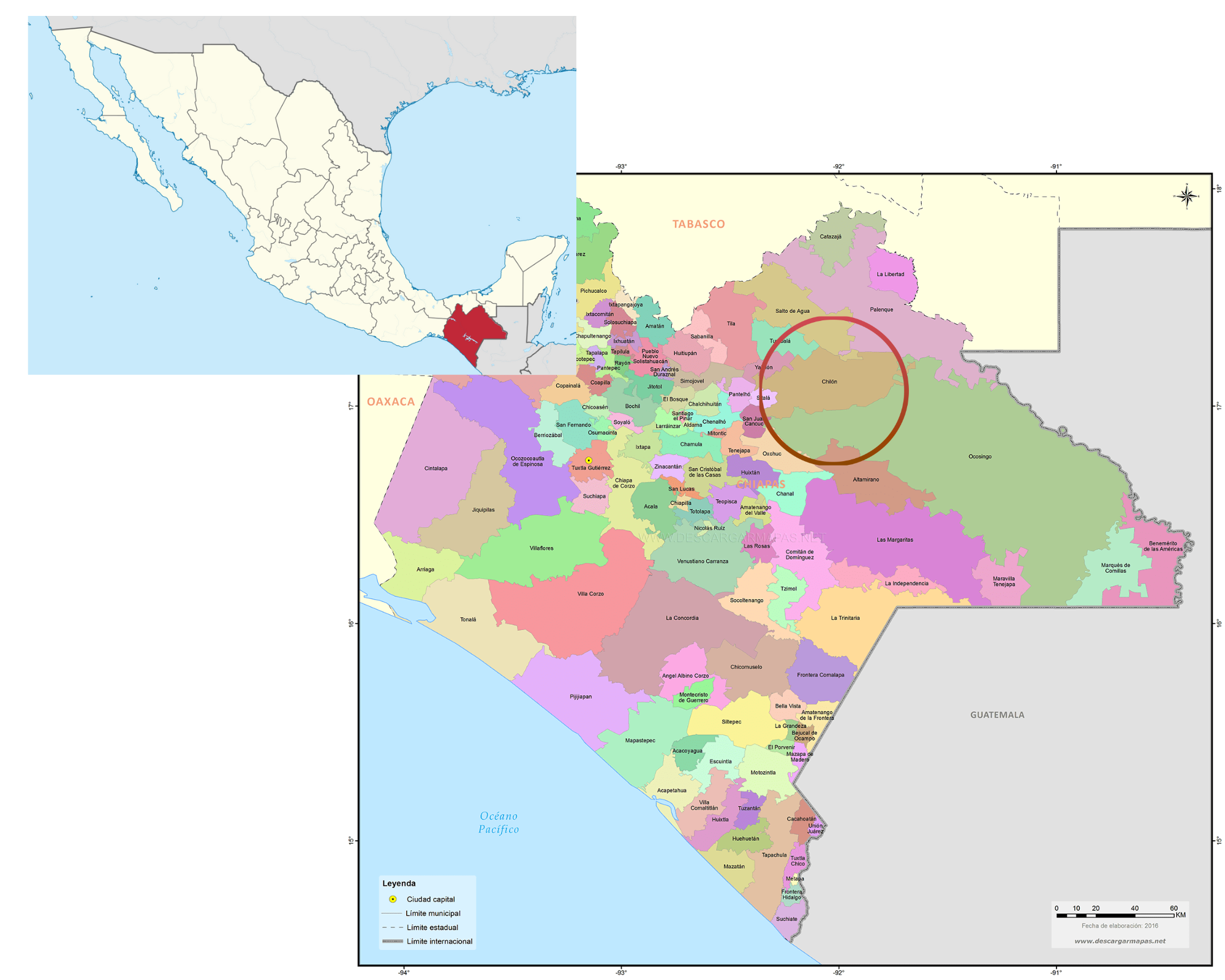
Currently, ASL’s support will strengthen the community entrepreneurship project led by 14 Tseltal women in the community of San Pedro Tulijà, in the municipality of Chilón, Chiapas, Mexico. After five years working within IXIM, A.C.’s proposed pathway, they seek to consolidate an enterprise dedicated to producing food products, nutritional supplements, and beverages made with local ingredients and processing techniques that extend their shelf life and optimal consumption quality. The project has a social and solidarity economy approach, combining training, technological innovation, and business education to expand their market at local, regional, and national levels.
IXIM, A.C.’s entire support itinerary aims to empower these communities so they can self-manage their resources and find collective solutions to the social challenges they face, becoming active agents of change. The methodology used is based on respecting the sovereignty of the communities the organisation works with and on the principles of the Social and Solidarity Economy. The aim is to achieve Buhts’an Quin’al (a Tseltal term that implies harmony with oneself, with others, and with nature). To reach this goal of full self-management, a learning process led by IXIM is necessary, initially more guided but progressively moving towards full individual and collective autonomy. At the same time, the pathway must be their own—collective, informed, and transparent—and both parties must understand the responsibility and commitment involved.
Una col·laboració amb:
Un projecte amb el suport de:
Hi’lum Antsetic (Women of Sand) – Economic resilience for 12 Tseltal women

Hi’lum Antsetic (Women of Sand) – Economic resilience for 12 Tseltal women

Hi’lum Antsetic (Women of Sand) – Economic resilience for 12 Tseltal women

Acció Solidària i Logística has launched a collaborative project with IXIM, A.C., an association whose mission is to support the Tseltal indigenous communities in the state of Chiapas, promoting the self-managed development of their communities based on their own values.

The project aims to mitigate the vulnerability of indigenous communities. Their economy, based on crafts and agriculture (precarious sectors in Mexico), and their geographical location (mostly in rural areas), causes them to suffer from exclusion. This situation is reflected in high rates of poverty, marginalisation and discrimination against indigenous people, who are forced into precarious employment, problems accessing housing, difficulties in obtaining healthcare and education, and isolation due to living in areas with poor transport and communications links. Under these conditions, it is difficult to achieve equal opportunities and the fulfilment of their basic rights, perpetuating this vulnerability for future generations.


To reverse this situation, IXIM, A.C. works in the area by creating self-financing and loan groups, as well as productive enterprises. The working methodology is medium-term, with the entire support process lasting approximately six years. This entire itinerary serves to consolidate the group, as it is possible that not all the people who start the project will complete it, depending on their personal circumstances or their level of interest. For this reason, training in self-awareness and cooperative skills is particularly important, as is the training necessary to carry out the activities, both those related to self-financing and those related to the chosen production path.

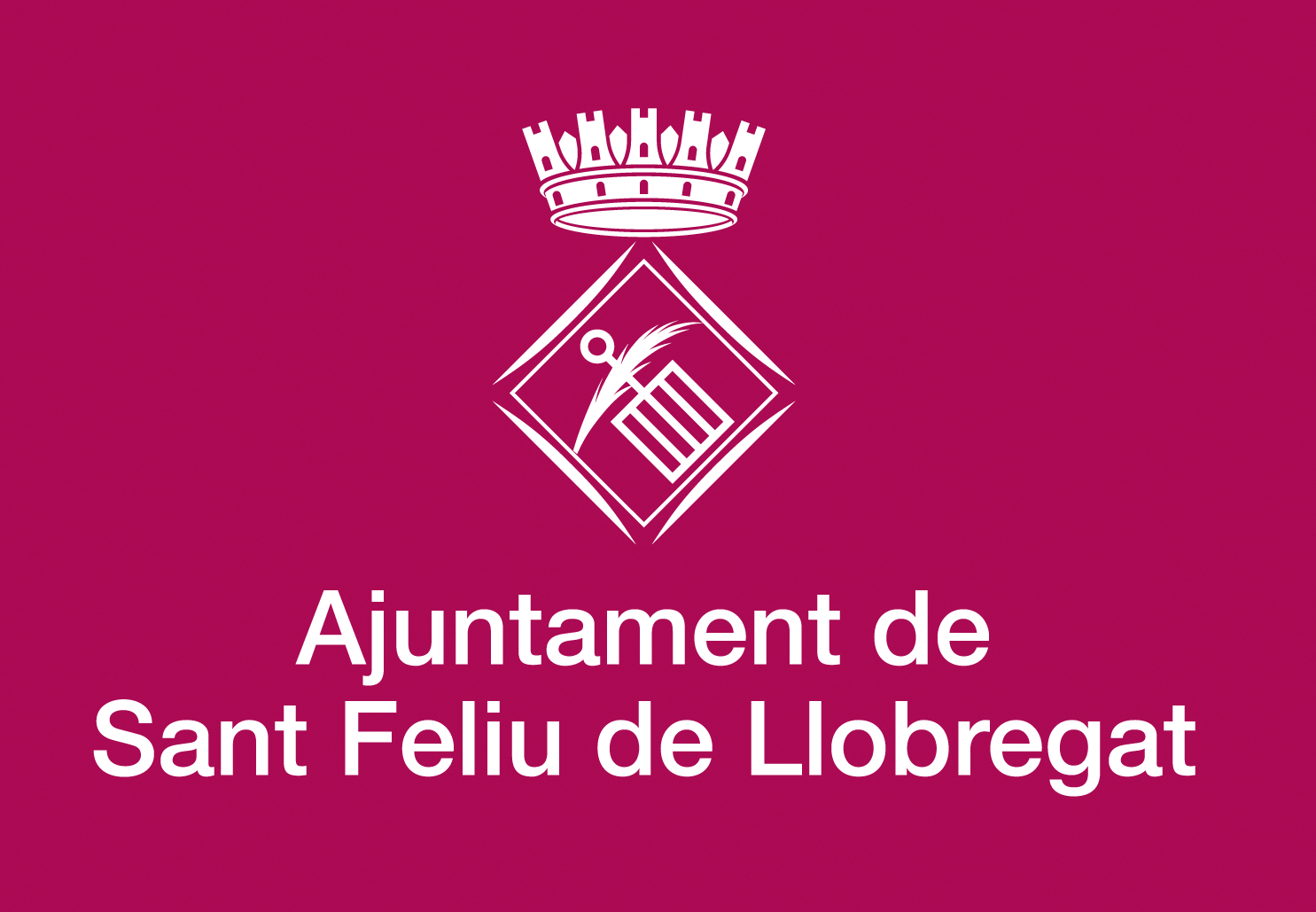
Currently, IXIM works with six self-financing and loan groups (four consisting solely of women and two mixed). Three of these groups have launched productive entrepreneurship projects. In our case, we will support the Grup Hi’lum Antsetic (Women of Sand) entrepreneurship project: 12 women who work producing decorative items. This group of women are from the community of Pinabetal, in the municipality of Chilón. They began their journey in 2019 and until 2021 they received training in health, nutrition and the environment. The self-financing group created in 2021 is made up of 18 women, 12 of whom have formed the enterprise.

At present, they have acquired the training and basic equipment to start production, and already have three products in their catalogue. They are currently in the process of promoting the commercialisation of their products and stabilising the business by developing three new products. The aim is for the project to become a stable economic resource for the community and their families.

The criteria that led us to support this project were as follows:

  • Its long history of working in Tseltal communities. IXIM, A.C. was created in 2000, and this experience has enabled it to identify the needs of communities and offer a training programme that has been adapted and improved as a result of overcoming the obstacles that have arisen.


  • The clear determination to empower the most vulnerable people in the Tseltal communities, in this case women. The Tseltal communities have deeply rooted gender roles based on the division of community tasks; women are responsible for caregiving (home, children, elderly people, etc.) and men are responsible for work and family decision-making. This project aims to change these dynamics and involve women in jobs that they have often never done before and do not feel qualified for.


  • The methodology applied is based on the full involvement of the beneficiaries; without their willingness, the project cannot move forward. In this way, the cultural and social characteristics of the communities with which they work are also respected throughout the process.


  • The project has been running for two years with positive results, and the expected outcomes have improved year on year.


  • Finally, the proximity between the Chiapas region and Honduras means that we can monitor the project on the ground, taking advantage of the annual monitoring trips to projects in Honduras.

A collaboration with:

A project supported by: