Preventive action to minimize the effects of the COVID-19 pandemic in Senegal, Honduras, and Nepal.
The current crisis caused by the arrival of COVID-19 in Europe has led to the mobilisation of organisations working in humanitarian aid to assist the most vulnerable people around the world.
At Acció Solidària i Logística, we are also committed to this cause. As an organisation working on development cooperation and emergency projects around the world, we believe that at a time like this it is important to call for ‘global solidarity’, because this crisis affects us all. The consequences of this crisis will be devastating for many people, not only from a health perspective, but also socially and economically.
The pandemic has already reached more than 200 countries around the world, many of which do not have the structures or minimum conditions to deal with a pandemic of this type and where the consequences (health, social and economic) are expected to be very serious.
A.S.L. is launching a campaign to raise funds and take action in three of the countries where we are currently carrying out development cooperation projects: Senegal, Honduras and Nepal.
Our action aims to help minimize the effects of the arrival of this pandemic in these countries by ensuring the disinfection of spaces, providing preventive information to the population and facilitating their confinement by supplying food and other basic necessities.
Senegal:
In Senegal, a large part of the population lives below the poverty line, and the country does not have adequate health structures to deal with a pandemic of this type.
Senegal has a poverty rate of 52.3%. In terms of health conditions, 147 women and 219 men per 1,000 inhabitants die in the country. In addition, the country has other deadly diseases, such as malaria (almost 65 people per 1,000 die from this disease) and tuberculosis (with 122 people affected per 1,000 inhabitants).
Medina Boudialabou is a rural village of 860 inhabitants, most of whom live from agriculture and fishing. However, in order to purchase most of their food and basic necessities, as well as to obtain energy supplies, the population is forced to travel regularly to the nearest town, Ziguinchor, which is 14 km away.
The families in the village do not have a sufficient water supply and therefore do not have the minimum conditions necessary to maintain good hygiene and reduce the risk of infection.
Actions:
Since mid-April, ASL has been working in different phases.
The first shipment of funds was used to purchase equipment to control the three access points to the village and to disinfect people and vehicles returning from the city.
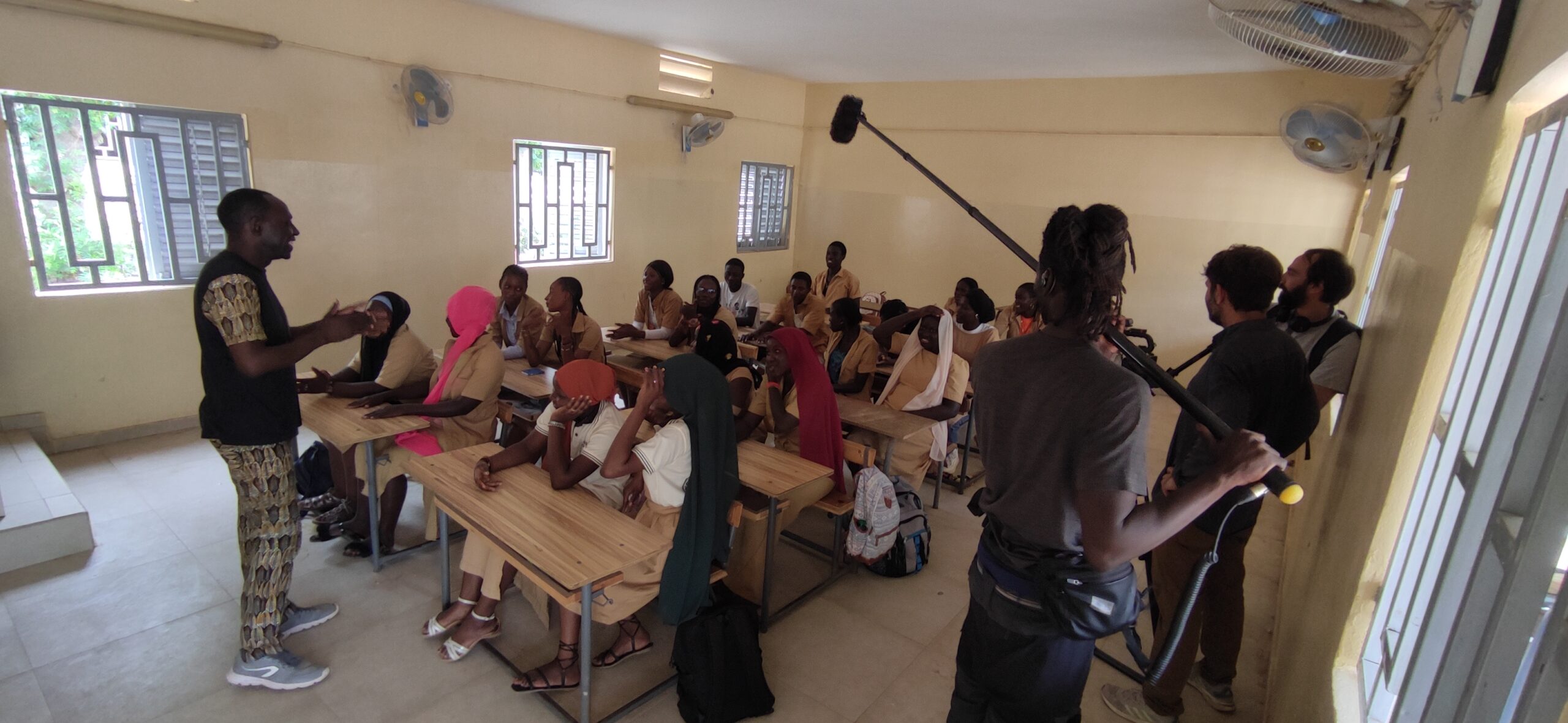
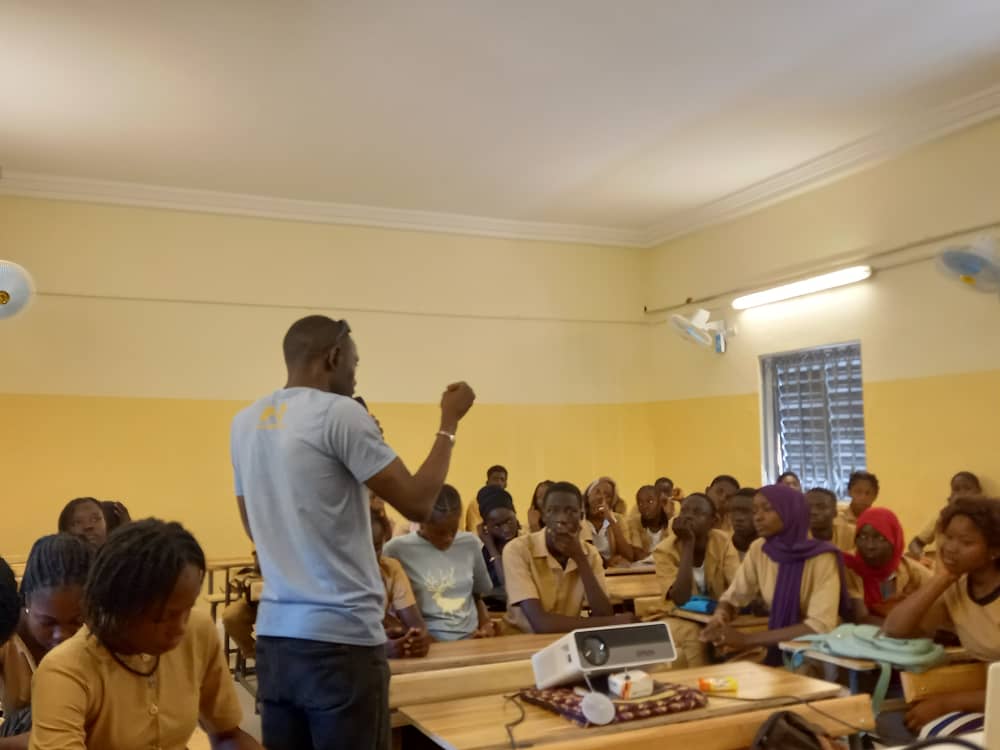
Awareness-raising and training activities have been carried out among the population.
Disinfection of houses and the village in general.
Purchase and distribution of food to all inhabitants to encourage the reduction of population movements, helping to comply with the lockdown order decreed by the government. (1,700 kg of rice).
After one month of working at the local level, and although there are more cases of COVID-19 every day in Senegal, the disease has not entered Medina.
We continued our pandemic prevention work during May, June and July, maintaining our efforts to raise awareness, train and inform the population about the activities being carried out.
Operational maintenance of disinfection equipment (3 entry points to the village, 1 entry point to the gardens and 1 mobile unit), monitoring of entry checkpoints and the use of disinfection materials.
Door-to-door awareness-raising and information campaign on COVID-19 in the 56 houses in Medina, carried out by the mobile team.
Purchase of 1,500 kg of rice (34 50 kg sacks) and distribution of 25 kg to each family in the village, this being the second food distribution to the population.
The government is reopening schools on 2 June, which means that pupils and teachers will start travelling to educational establishments. For this reason, ASL is distributing 100 additional face masks to pupils in the village (from the primary school and secondary school in the neighboring village of Djibonker) to improve safety conditions.
We are buying more bleach and liquid soap to reinforce the checkpoints.
Total disinfection of the Medina primary school before reopening the center.
On 5 July 2020, the Senegalese Ministry of Health reported 7,400 cumulative cases of COVID-19 and a total of 133 deaths in the country.
Raising awareness among the population, purchasing disinfection materials and products, together with the food aid that has been provided on two occasions, have been key to ensuring a reduction in the mobility of people who travel regularly to the city and to controlling the pandemic.
The involvement of the population of Medina on the one hand, together with the continuous help of ASL on the other, have yielded good results. Since the arrival of the pandemic in Senegal, Medina Boudialabou has had zero cases of the disease.
Since the end of July, our representative in the country has been working in the area after returning from lockdown, and we are trying to resume the activities planned in the town as part of the cooperation projects we are developing.
In September, we continued to help protect Medina against COVID-19 by purchasing the following materials for distribution among the population:
1.5 tonnes of rice (30 50kg sacks per family), bottles of liquid soap and bleach (2 boxes of each) and 100 face masks.
A general awareness session was also held to remind people that the disease is still present in the country and that protective measures must continue to be maintained.
ASL has funds available in Senegal to enable it to act quickly on any task related to the pandemic, both for new actions and for replenishing stocks of preventive materials.