Hi’lum Antsetic (Women of Sand) – Economic resilience for 12 Tseltal women
Acció Solidària i Logística has launched a collaborative project with IXIM, A.C., an association whose mission is to support the Tseltal indigenous communities in the state of Chiapas, promoting the self-managed development of their communities based on their own values.
The project aims to mitigate the vulnerability of indigenous communities. Their economy, based on crafts and agriculture (precarious sectors in Mexico), and their geographical location (mostly in rural areas), causes them to suffer from exclusion. This situation is reflected in high rates of poverty, marginalisation and discrimination against indigenous people, who are forced into precarious employment, problems accessing housing, difficulties in obtaining healthcare and education, and isolation due to living in areas with poor transport and communications links. Under these conditions, it is difficult to achieve equal opportunities and the fulfilment of their basic rights, perpetuating this vulnerability for future generations.
To reverse this situation, IXIM, A.C. works in the area by creating self-financing and loan groups, as well as productive enterprises. The working methodology is medium-term, with the entire support process lasting approximately six years. This entire itinerary serves to consolidate the group, as it is possible that not all the people who start the project will complete it, depending on their personal circumstances or their level of interest. For this reason, training in self-awareness and cooperative skills is particularly important, as is the training necessary to carry out the activities, both those related to self-financing and those related to the chosen production path.
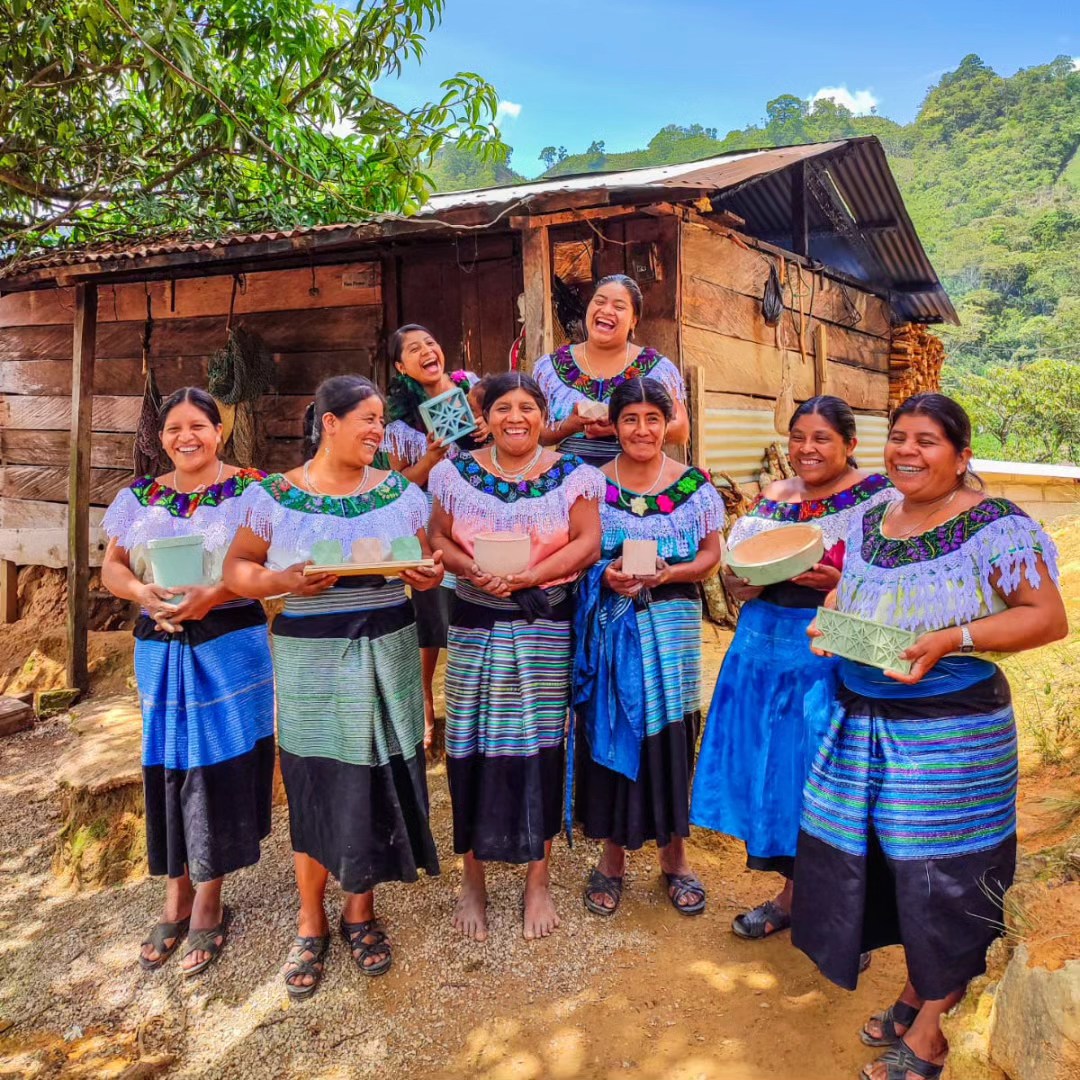
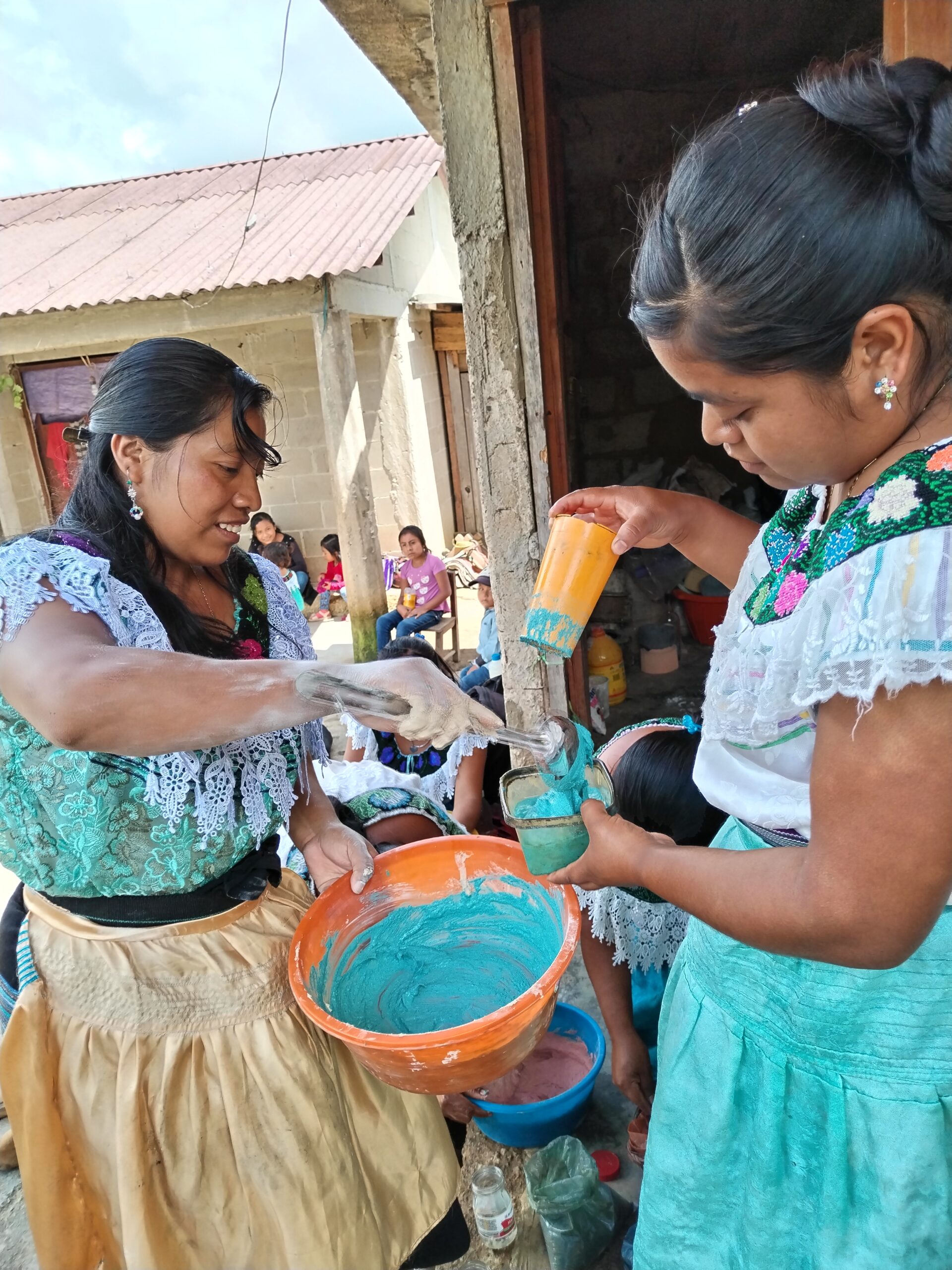
Currently, IXIM works with six self-financing and loan groups (four consisting solely of women and two mixed). Three of these groups have launched productive entrepreneurship projects. In our case, we will support the Grup Hi’lum Antsetic (Women of Sand) entrepreneurship project: 12 women who work producing decorative items. This group of women are from the community of Pinabetal, in the municipality of Chilón. They began their journey in 2019 and until 2021 they received training in health, nutrition and the environment. The self-financing group created in 2021 is made up of 18 women, 12 of whom have formed the enterprise.
At present, they have acquired the training and basic equipment to start production, and already have three products in their catalogue. They are currently in the process of promoting the commercialisation of their products and stabilising the business by developing three new products. The aim is for the project to become a stable economic resource for the community and their families.
The criteria that led us to support this project were as follows:
Its long history of working in Tseltal communities. IXIM, A.C. was created in 2000, and this experience has enabled it to identify the needs of communities and offer a training programme that has been adapted and improved as a result of overcoming the obstacles that have arisen.
The clear determination to empower the most vulnerable people in the Tseltal communities, in this case women. The Tseltal communities have deeply rooted gender roles based on the division of community tasks; women are responsible for caregiving (home, children, elderly people, etc.) and men are responsible for work and family decision-making. This project aims to change these dynamics and involve women in jobs that they have often never done before and do not feel qualified for.
The methodology applied is based on the full involvement of the beneficiaries; without their willingness, the project cannot move forward. In this way, the cultural and social characteristics of the communities with which they work are also respected throughout the process.
The project has been running for two years with positive results, and the expected outcomes have improved year on year.
Finally, the proximity between the Chiapas region and Honduras means that we can monitor the project on the ground, taking advantage of the annual monitoring trips to projects in Honduras.
Migrant Stories: local causes, global responsibility.
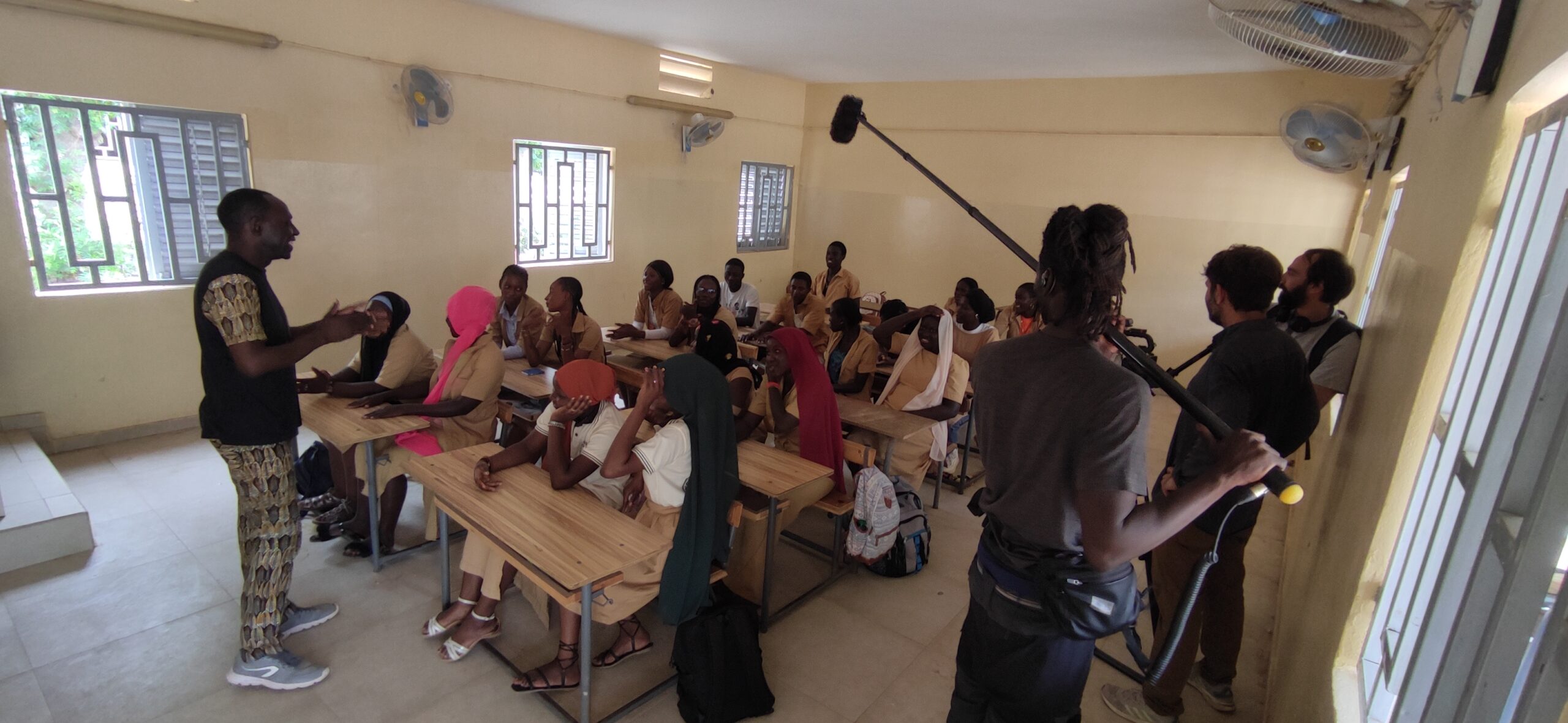
It is a project to raise awareness about the reality and reasons that lead young Senegalese people to want to migrate. In this way, we want to promote the awareness-raising work that we have been doing for years with our volunteers.
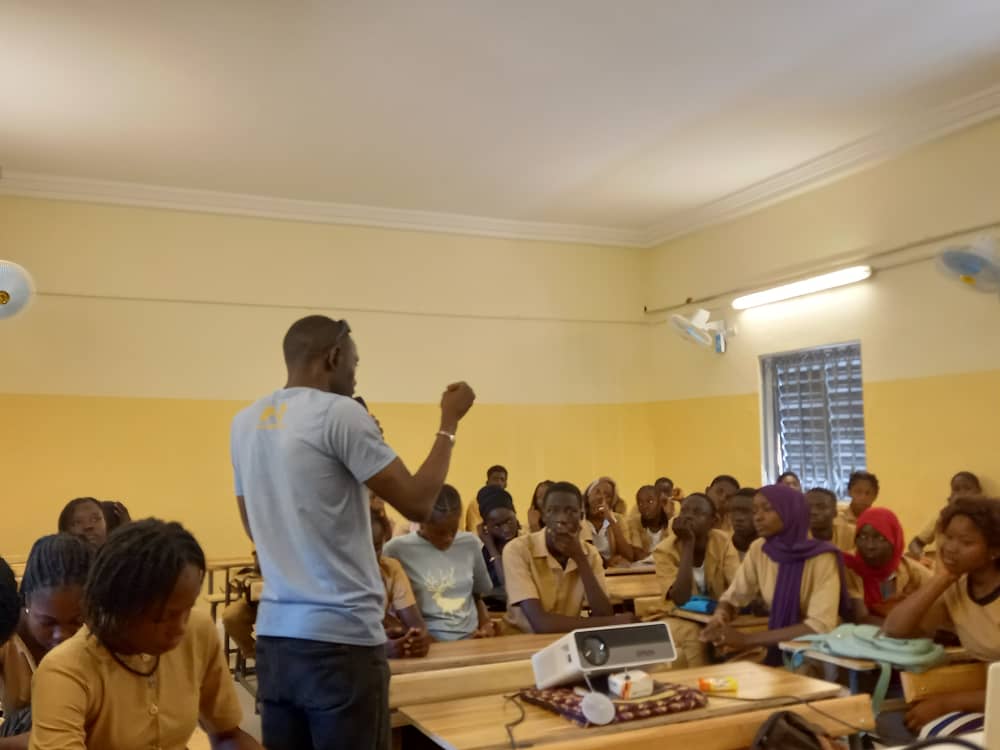
This proposal began to take shape in 2022. Throughout that year, three talks were held at the Lycée Djignabo Institute in Ziguinchor, focused on raising awareness among young people about what it means to migrate to European countries. The aim was to provide as much information as possible about the consequences of boarding a cayuco bound for Europe, so that they could make a decision with the utmost knowledge and responsibility. Following this line of work, we have begun work on the next project in the country: the filming of a documentary on the causes that lead thousands of young Senegalese to seek new opportunities.
This project has two objectives:
On the one hand, continue raising awareness in secondary schools in Ziguinchor. Inform young Senegalese people of the risks involved in undertaking such a journey. According to a 2019 study, Scaling Fences, more than half of the migrants surveyed described the migration journey as more dangerous than they had expected.
On the other hand, in Catalonia, efforts are being made to change the host society’s perception of migrants and their journeys. As members of the host society, we are often very uninformed about the reality that migrants have left behind and the difficulties they face in their daily lives, systematically violating their rights and justifying certain attitudes through racist narratives rooted in the collective imagination. Therefore, we want to bring these realities closer to home in order to bring about change in these narratives and demand full guarantees of rights for all people.
Filming took place in Catalonia and Senegal during the autumn of 2023. We are currently in the process of editing all the recorded material. The project will feature various audiovisual works. At this point, we already have a work available with testimonies from Senegalese people who have arrived in Catalonia, which will be used to raise awareness in Senegal, and a short film to raise awareness in Catalan educational centres. In September, we will have completed the feature film, which will allow us to reach a wider audience.
You will receive more news about upcoming activities!
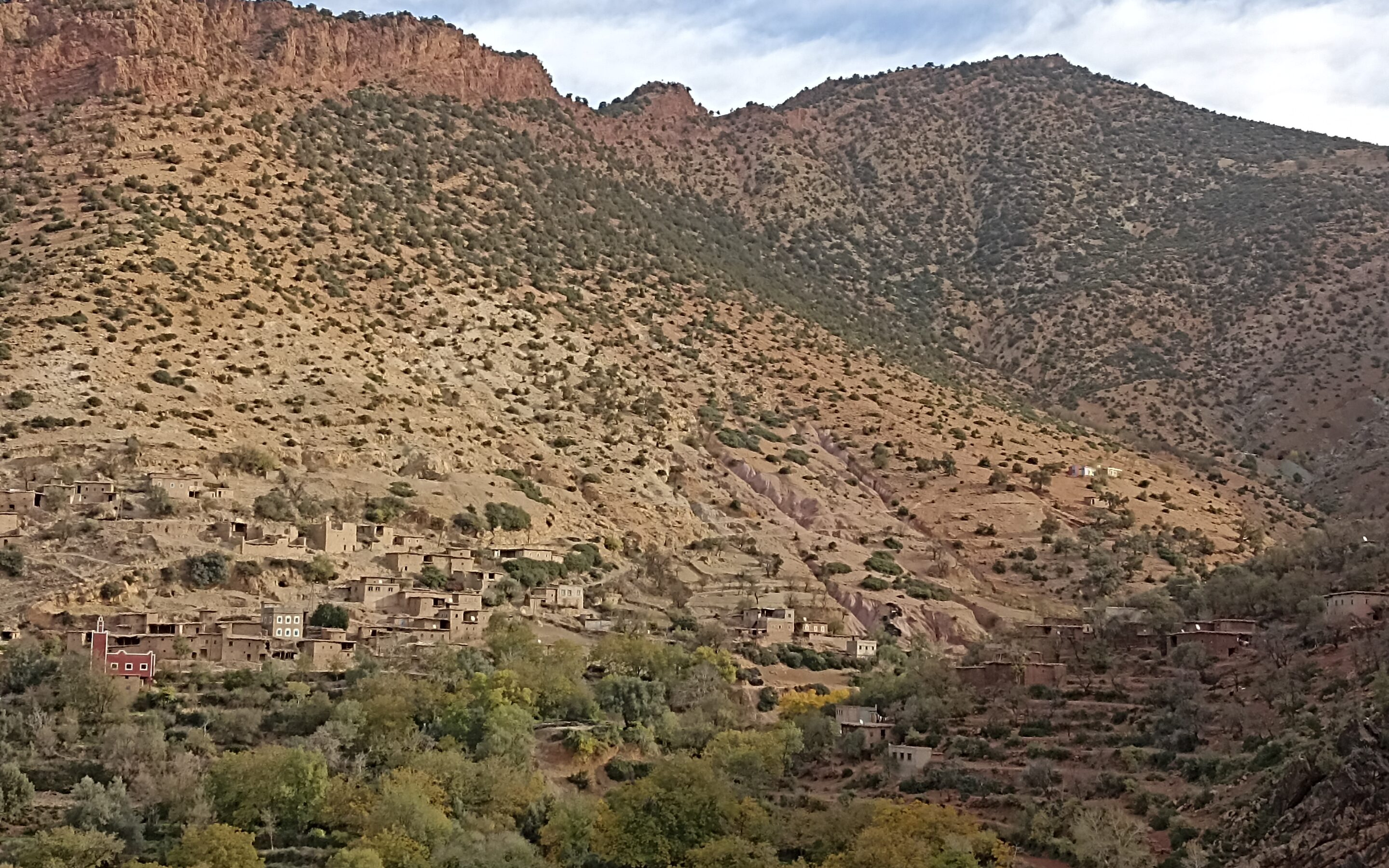
Drinking water supply for the rural population of the douar of Tighmarte (Morocco)
The volunteers of our organisation who make up the Board of Directors and the Projects Committee are committed to collaborating and seeking ways to mitigate the consequences of natural disasters in the event of any international emergency. In this case, following the earthquake in September 2023 in the Marrakech and High Atlas region, it was decided to start working to find partnerships with other organisations and to be able to provide a cooperative response to this disaster, perhaps not in the emergency phase but in the subsequent reconstruction phase. In order to gain a first-hand understanding of the reality of life for the inhabitants of the affected areas, at the end of November, a volunteer, together with members of other organisations, travelled to the High Atlas to explore possible collaborations and identify cooperation projects. In this way, Acción Solidaria y Logística became acquainted with the Association Jeunes de Tighmarte pour le Développement Local and the community of Tighmarte. After learning about their situation, their needs and the effect of the earthquake on the region, it was deemed feasible to initiate a collaboration to support the association’s projects to strengthen and empower the community.
The project is envisaged as a cooperative collaboration between the small community of Tighmarte, made up of 65 families, and our organisation. The local entity that will act as our counterpart is the Association Jeunes de Tighmarte pour le Développement Local. This association has identified the most immediate needs and has prioritised two: the supply of drinking water and the creation of employment in the small douar. This project aims to address the priority of supplying drinking water to the village. Currently, the collection, distribution and storage system is precarious, which means that there is no continuous or sufficient supply for the families in the village, especially in the months of greatest need. An added problem is the quality of the water, as its high lime content causes health problems for the inhabitants. The project aims to improve the infrastructure by building a new reservoir, improving the water supply and reducing the pressure that constantly damages the pipe system. It is also necessary to find solutions to the water quality issue in order to preventively reduce possible health problems for the inhabitants of the douar.
The direct beneficiaries are the entire population of the douar of Tighmarte, comprising 227 inhabitants.
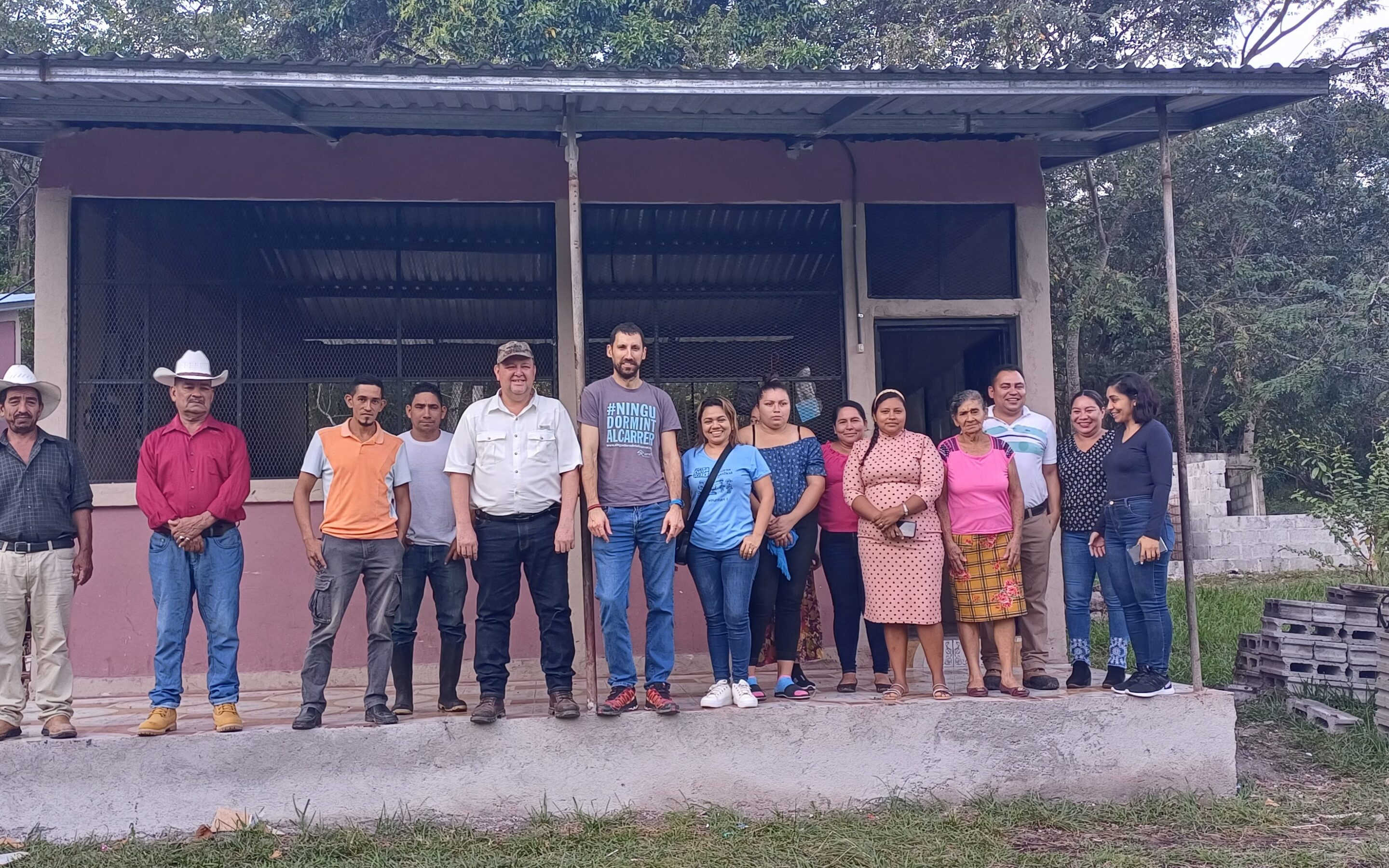
Improvement of the infrastructure of the Dionisio Herrera rural school in the community of San Miguel in Potrerillos (Honduras).
The project
THE OVERALL OBJECTIVE OF THE PROJECT IS TO CONTRIBUTE TO IMPROVING ACCESS TO EDUCATION AND EDUCATIONAL CONDITIONS FOR CHILDREN IN RURAL AREAS OF HONDURAS.
The community of San Miguel is located in the municipality of Potrerillos (Department of Cortés). It is about 2 km from the town centre of Potrerillos, to which it belongs administratively, but the poor condition of the road makes it difficult for its hundred inhabitants to get around, especially during the rainy season. The lack of services and transport difficulties mean that the population tends to move to more populated municipalities, thus encouraging the depopulation of the community. For this reason, it is considered essential that the school has optimal conditions for learning, thus contributing in a small way to stabilising the population.
WHAT WILL WE DO??
The actions included in this project are: – Construction of new toilets for the school connected to a new septic tank. – Demolition, reconstruction and bricklaying of the classroom and meeting room floors. – Installation of a false ceiling and acrylic windows to improve the classroom’s climate control. – Installation of a mini-split air conditioning unit in the classroom. – Renovation of the electrical system in the classroom and meeting room. – Purchase of new blackboards and furniture for the classroom and meeting room.
In this project, as in all those we carry out in Honduras, we request the participation of both the beneficiary community, through parents, and public administrations, in this case the Municipality of Potrerillos. In this regard, it has been agreed that this administration will cover the cost of renovating the toilets. The community, for its part, will collaborate by providing labour for the work that does not require a technical professional.
The tropical storms Eta and Iota severely affected Honduras between 3 and 16 November 2020. The country was completely devastated. This damage was compounded by the social, health and economic complications caused by the pandemic, which also made it more difficult to manage.
The combination of COVID-19 and the arrival of the two hurricanes caused the country’s poverty rate to rise to 60%, and then to 70% due to health and weather issues.
After nearly 20 years working in Honduras, ASL has developed some 20 projects related to the education and health sectors. Due to the passage of these last two hurricanes (added to the damage already caused by the pandemic), the needs that had arisen in the areas where ASL worked were identified in order to act with maximum effectiveness and efficiency in meeting the needs of the most vulnerable families, who were even more affected by the storm.
Thanks to the support received from Catalan public administrations, action has been taken with the overall aim of restoring the basic fundamental rights of the population affected by tropical storms, as well as with the specific aim of promoting the right to education, access to healthcare, food and security in the municipalities of Choloma, Villanueva, San Antonio de Cortés and Potrerillos.
The project has been carried out in different stages, depending on the availability of resources and the urgency of the actions:
The bulk of this project was carried out between November 2020 and June 2021: a campaign was conducted to distribute basic necessities to 150 families in the community of La Masica (San Antonio de Cortés); the roof of the Potrerillos fire station was repaired; the John Cook school was refurbished (walls and roofs, electrical system, equipment repaired and renovated, purchase of computer equipment, etc.); and finally, we completely refurbished the Monterrey Clinic (Choloma), which suffered severe damage to all its facilities.
Between November and December 2021, we carried out a second intervention that allowed us to repair the floor of the John Cook School, which had collapsed as a result of flooding. The entire José Cecilio del Valle School was painted, and furniture was purchased and repaired for this same school (desks, shelves, filing cabinets, etc.).
In July 2022, we will complete the closure of the Monterrey health centre, which has been delayed due to issues with the availability of municipal funding (at the local level). However, the clinic has already been reopened and has been fully operational since March 2021.
This website uses cookies to improve your experience while you navigate through the website. Out of these, the cookies that are categorized as necessary are stored on your browser as they are essential for the working of basic functionalities of the website. We also use third-party cookies that help us analyze and understand how you use this website. These cookies will be stored in your browser only with your consent. You also have the option to opt-out of these cookies. But opting out of some of these cookies may affect your browsing experience.
Necessary cookies are absolutely essential for the website to function properly. This category only includes cookies that ensures basic functionalities and security features of the website. These cookies do not store any personal information.
Any cookies that may not be particularly necessary for the website to function and is used specifically to collect user personal data via analytics, ads, other embedded contents are termed as non-necessary cookies. It is mandatory to procure user consent prior to running these cookies on your website.