Refurbishment of the Association de Jeunes de Tighmarte Centre for cultural and community development activities in Tighmarte (Morocco)

Refurbishment of the Association de Jeunes de Tighmarte Centre for cultural and community development activities in Tighmarte (Morocco)

Refurbishment of the Association de Jeunes de Tighmarte Centre for Cultural and Community Development Activities in Tighmarte (Morocco).

Project status: ongoing.

SDGs addressed:
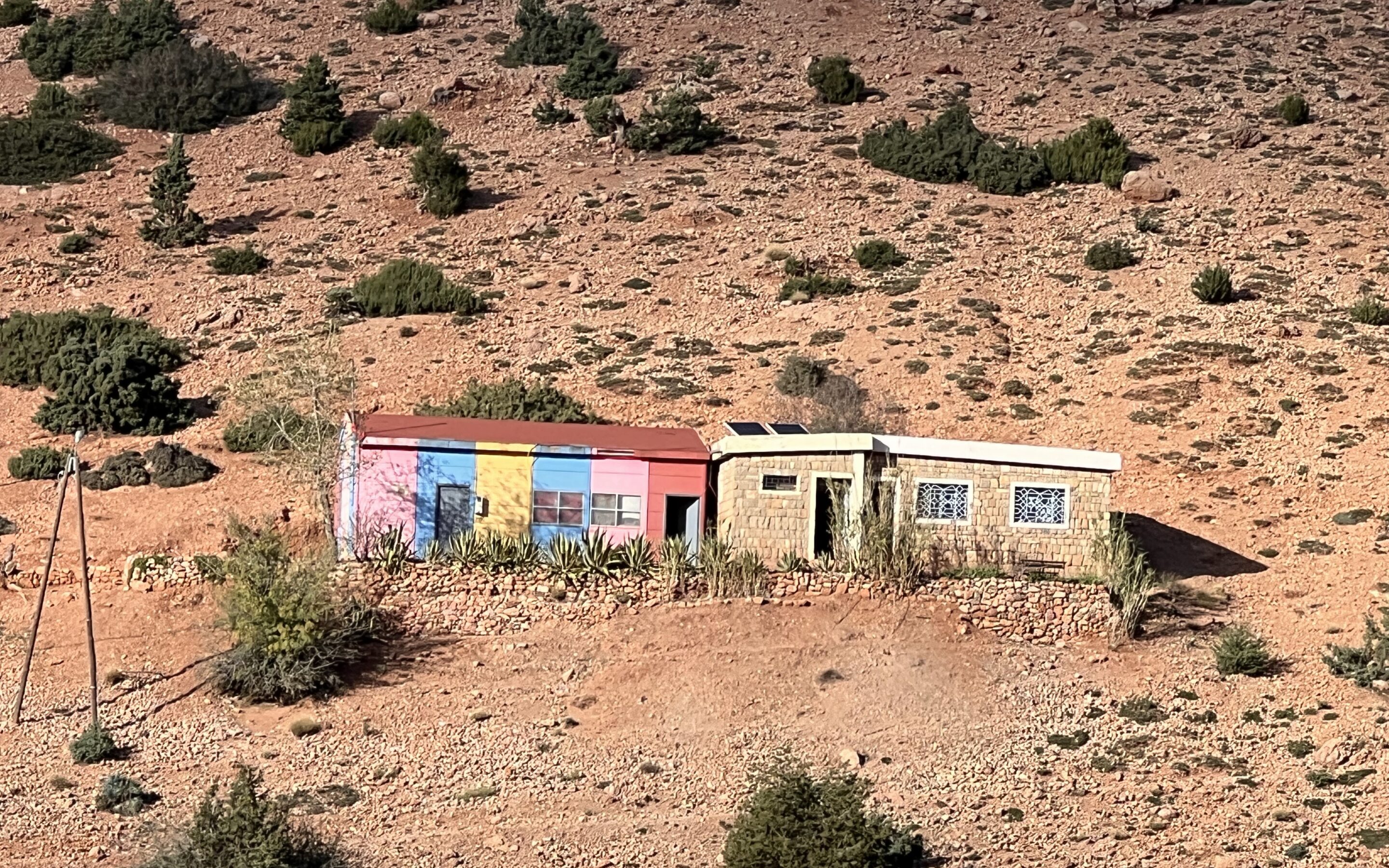
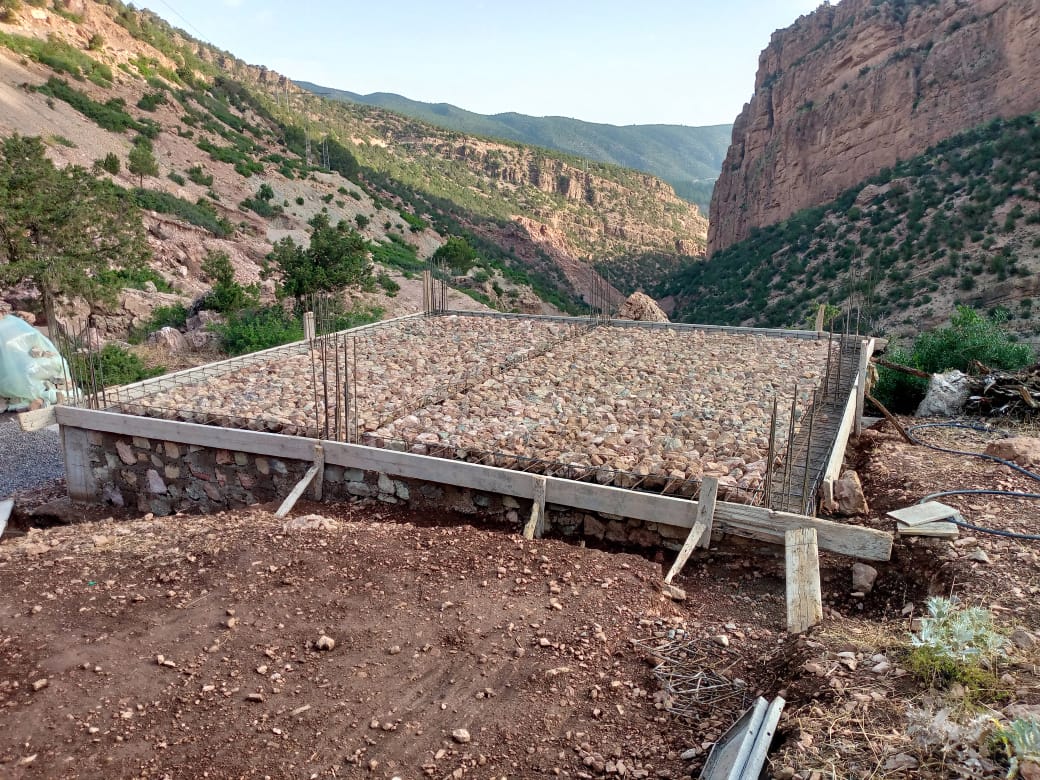
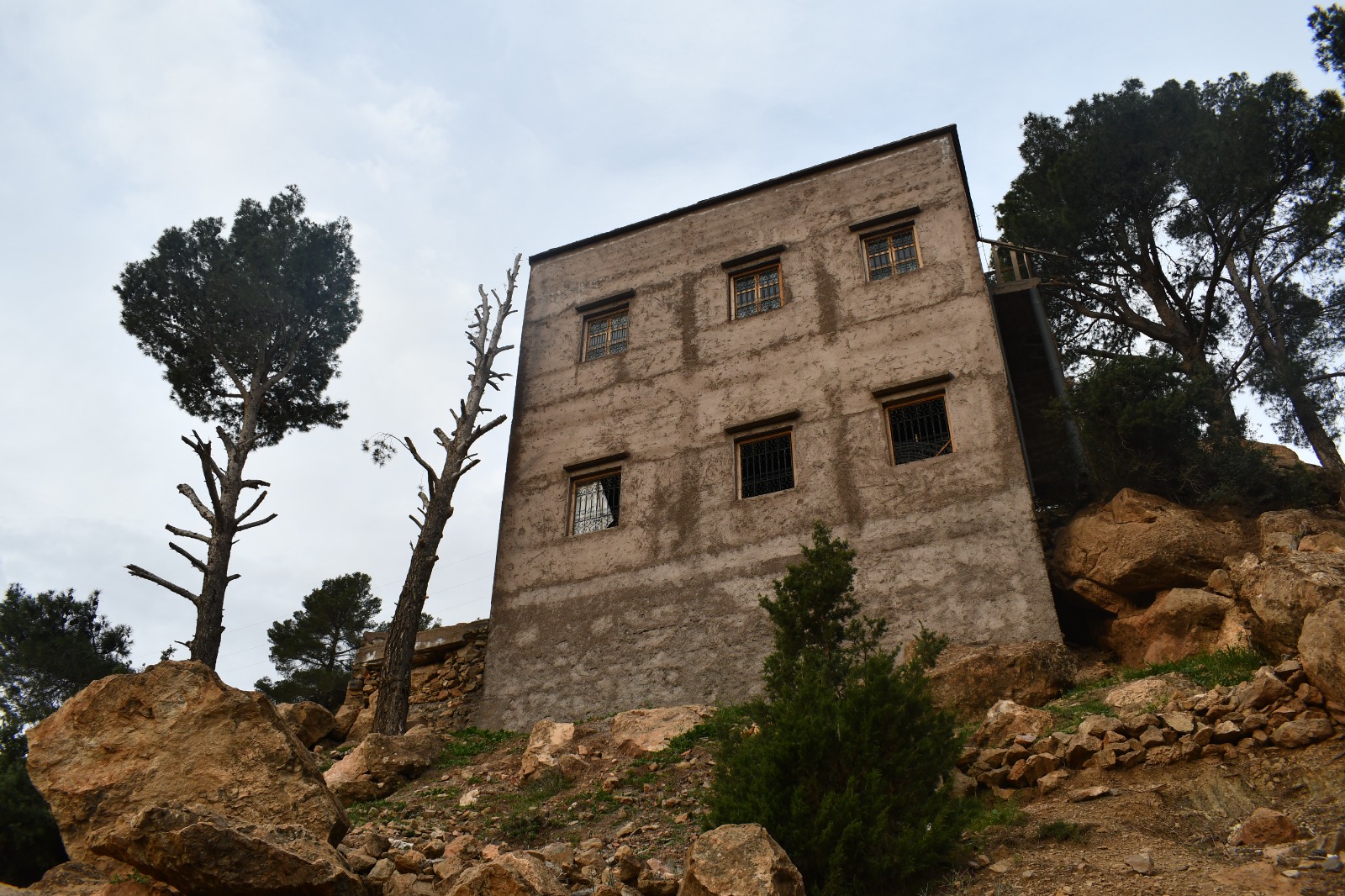
In 2026, we continue working with the community of Tighmarte through the construction of the new school, which is expected to be completed this year, and the refurbishment of the Association de Jeunes de Tighmarte’s multidisciplinary centre, which is expected to become fully operational over the course of this year and the next. The refurbishment of this facility is a key project for the community, as it will strengthen the cultural and social development activities carried out by the AJT. The building, which serves as the local partner’s headquarters and is located on sloping terrain, has a three-storey structure that is well advanced but still requires several finishing works.
The upper floor is an open-plan space accessed via an external staircase from the ground floor. The aim is to build a classroom for activities with children while preserving part of the area as an outdoor terrace. The ground floor is currently the most complete and includes two rooms, a small kitchen and a bathroom. It requires final finishing works so that it can accommodate visitors to the douar. The basement, which benefits from natural light, is currently used as a storage area and requires renovation of the walls, flooring and windows to transform it into a workshop space for the women of Tighmarte. In addition, the building’s electrical installation must be completed so that all floors have electricity to support the planned activities.
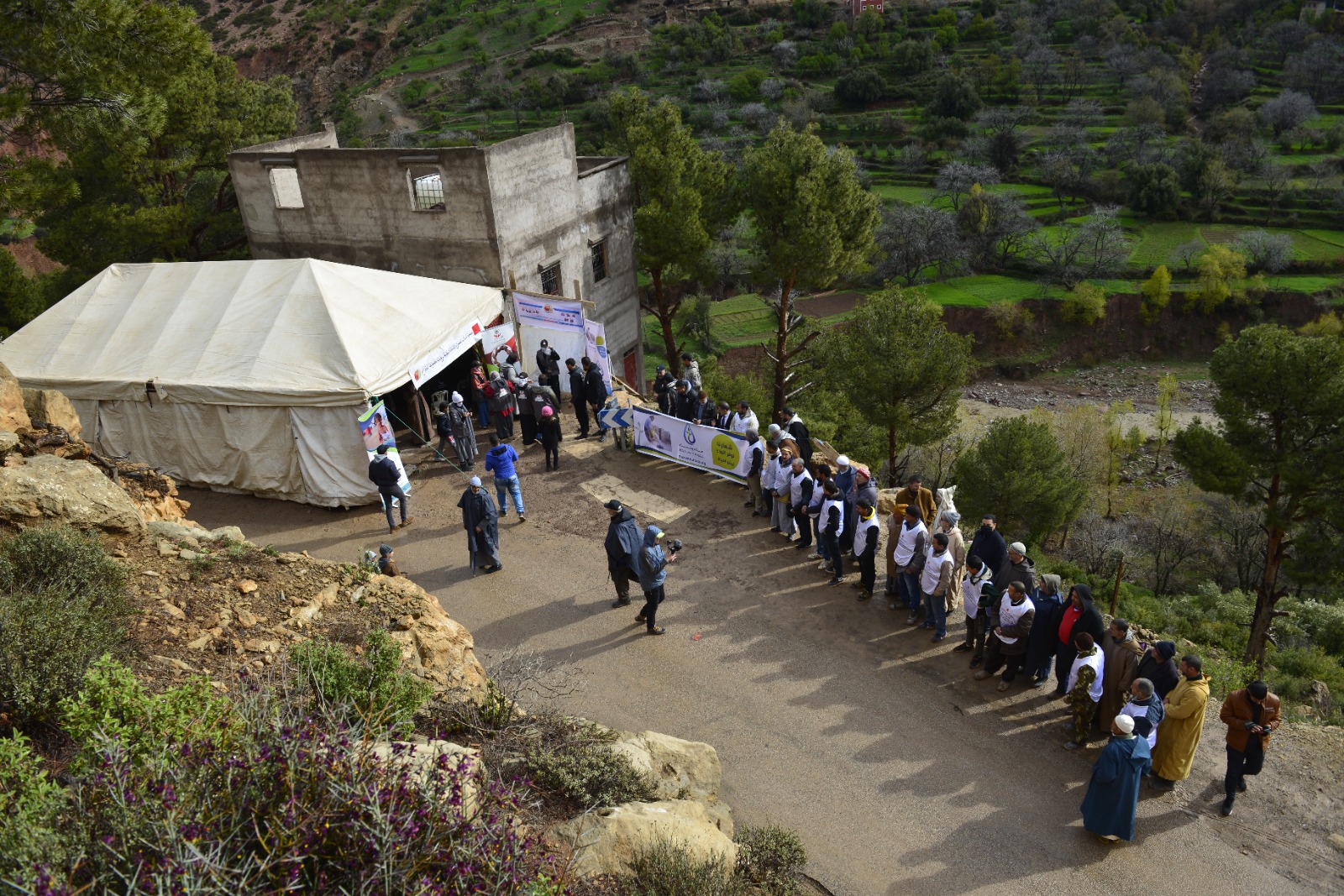
At present, the centre hosts educational support activities, cultural and recreational programmes, and health campaigns. The refurbishment aims to maintain and strengthen these existing activities while introducing new vocational training and economic empowerment programmes for women in the douar. This year, as part of the project, we collaborated with the Martin Luther King Scout Group from Sant Just Desvern to promote a cultural and knowledge exchange between the community and the young members of the Truc section. The initiative aims to strengthen ties with the community of Tighmarte while introducing young people from the municipalities where we work to international cooperation through a critical, reflective and human rights-based approach that promotes horizontal relationships and mutual learning. 

In collaboration with:
Project supported by:
Economic Resilience in the Mexican Selva: 14 Tseltal Women Become Entrepreneurs

Economic Resilience in the Mexican Selva: 14 Tseltal Women Become Entrepreneurs

Economic Resilience in the Mexican Selva: 14 Tseltal Women Become Entrepreneurs

Project status: ongoing

SDGs addressed:

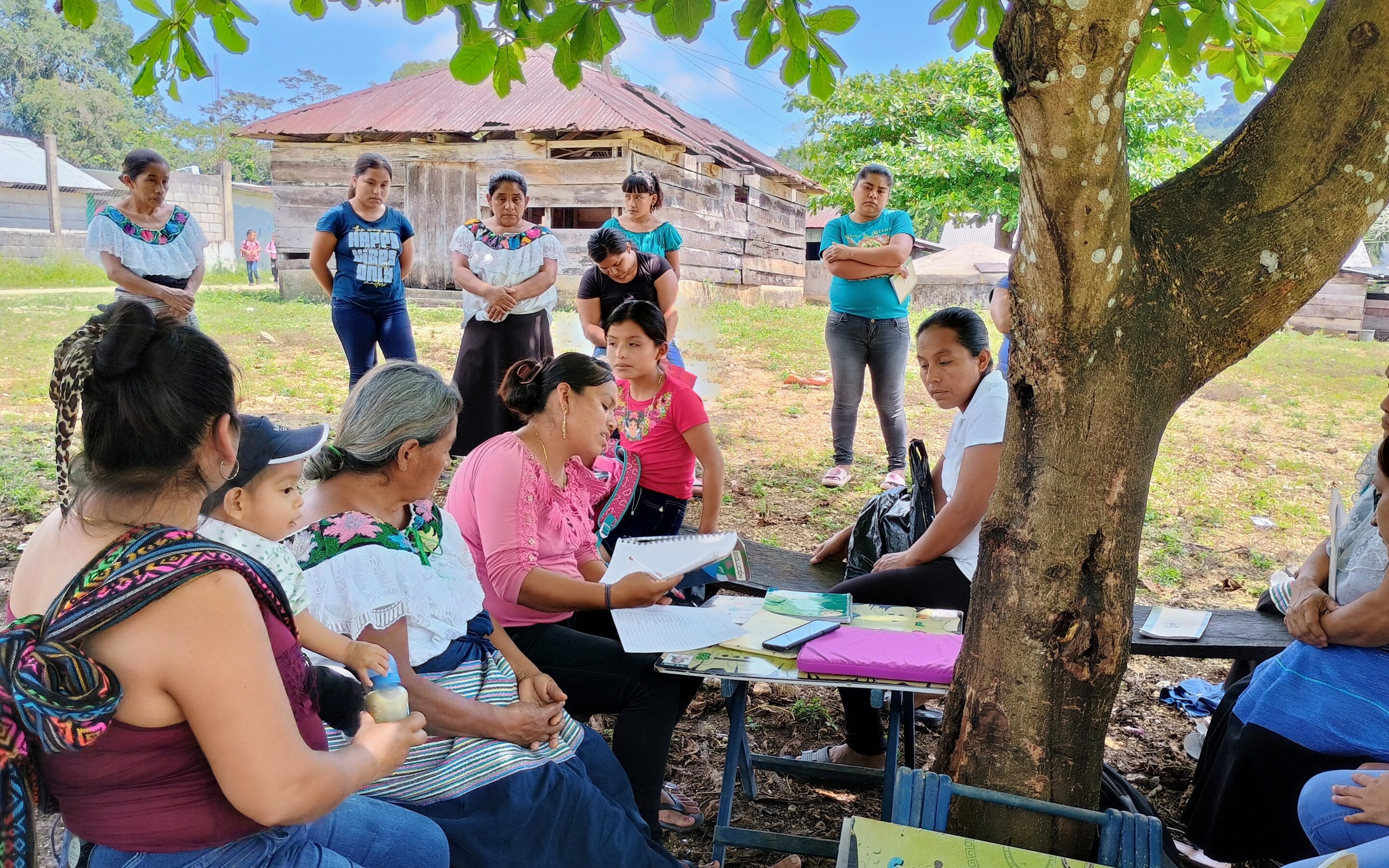
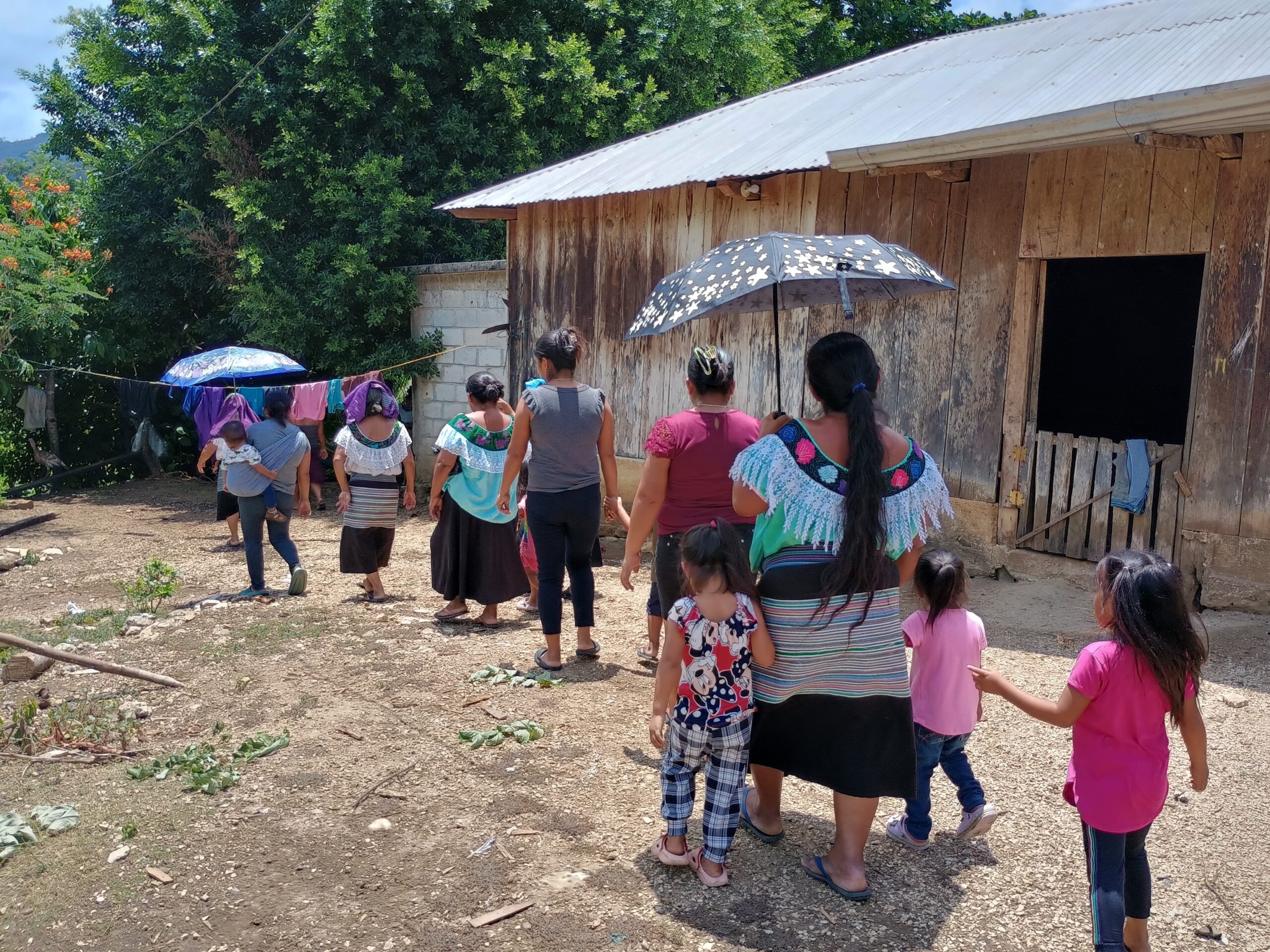
From ASL we continue collaborating with IXIM, A.C., a non-profit organisation that works with women’s groups in Tseltal Indigenous communities that suffer serious rights violations and inequality. IXIM, A.C. offers a training and accompaniment program to these groups in order to improve the economic, social, and environmental situation of the communities. The result of this support is the creation of savings and loan groups as well as productive entrepreneurship initiatives to improve families’ economic conditions.

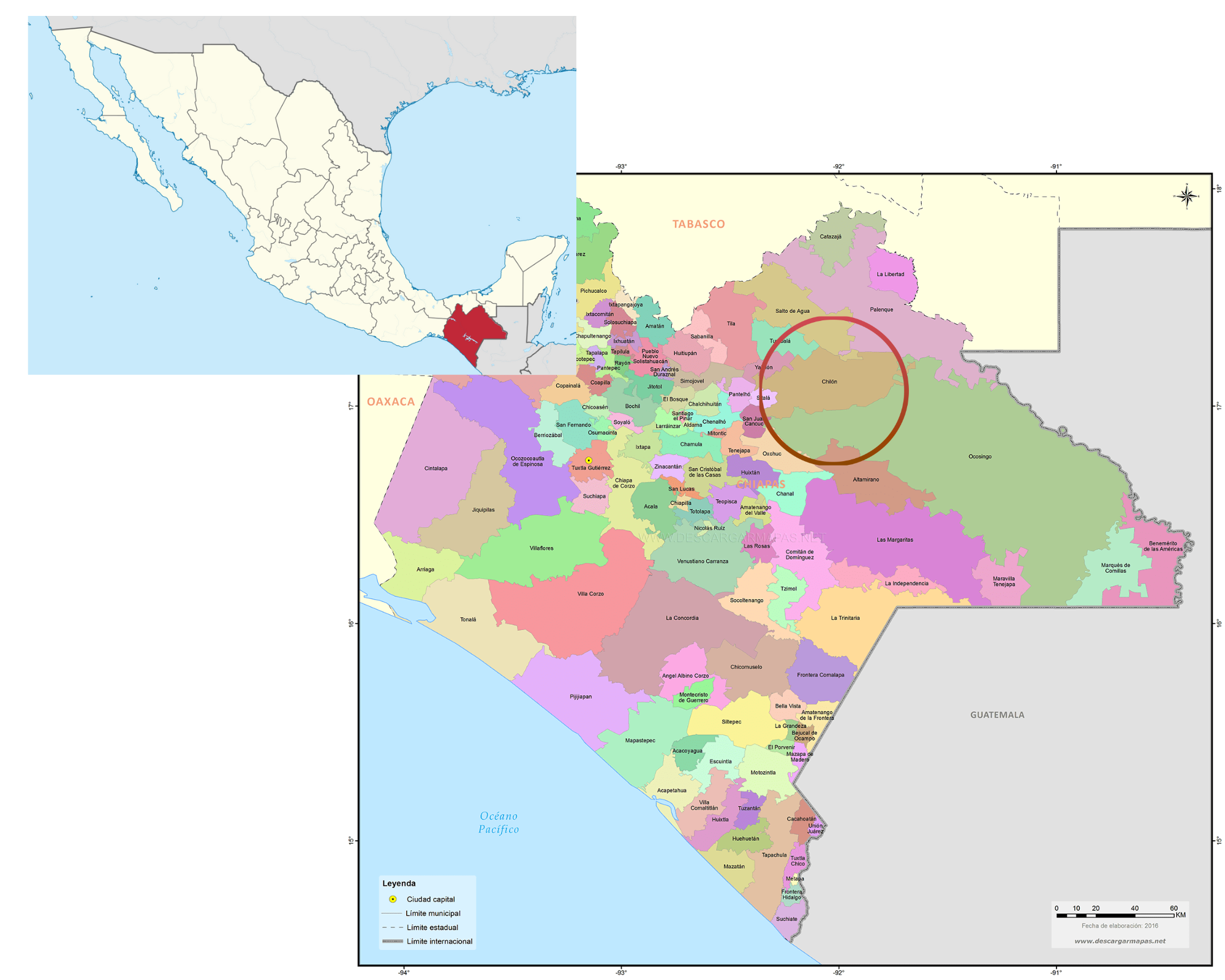
Currently, ASL’s support will strengthen the community entrepreneurship project led by 14 Tseltal women in the community of San Pedro Tulijà, in the municipality of Chilón, Chiapas, Mexico. After five years working within IXIM, A.C.’s proposed pathway, they seek to consolidate an enterprise dedicated to producing food products, nutritional supplements, and beverages made with local ingredients and processing techniques that extend their shelf life and optimal consumption quality. The project has a social and solidarity economy approach, combining training, technological innovation, and business education to expand their market at local, regional, and national levels.

IXIM, A.C.’s entire support itinerary aims to empower these communities so they can self-manage their resources and find collective solutions to the social challenges they face, becoming active agents of change. The methodology used is based on respecting the sovereignty of the communities the organisation works with and on the principles of the Social and Solidarity Economy. The aim is to achieve Buhts’an Quin’al (a Tseltal term that implies harmony with oneself, with others, and with nature). To reach this goal of full self-management, a learning process led by IXIM is necessary, initially more guided but progressively moving towards full individual and collective autonomy. At the same time, the pathway must be their own—collective, informed, and transparent—and both parties must understand the responsibility and commitment involved.

Una col·laboració amb:

Un projecte amb el suport de:

Rehabilitation of the Facilities of the House of the Messengers of the Elderly of Potrerillos.

Rehabilitation of the Facilities of the House of the Messengers of the Elderly of Potrerillos.

Rehabilitation of the Facilities of the House of the Messengers of the Elderly of Potrerillos.

Project status: ongoing

SDGs addressed:

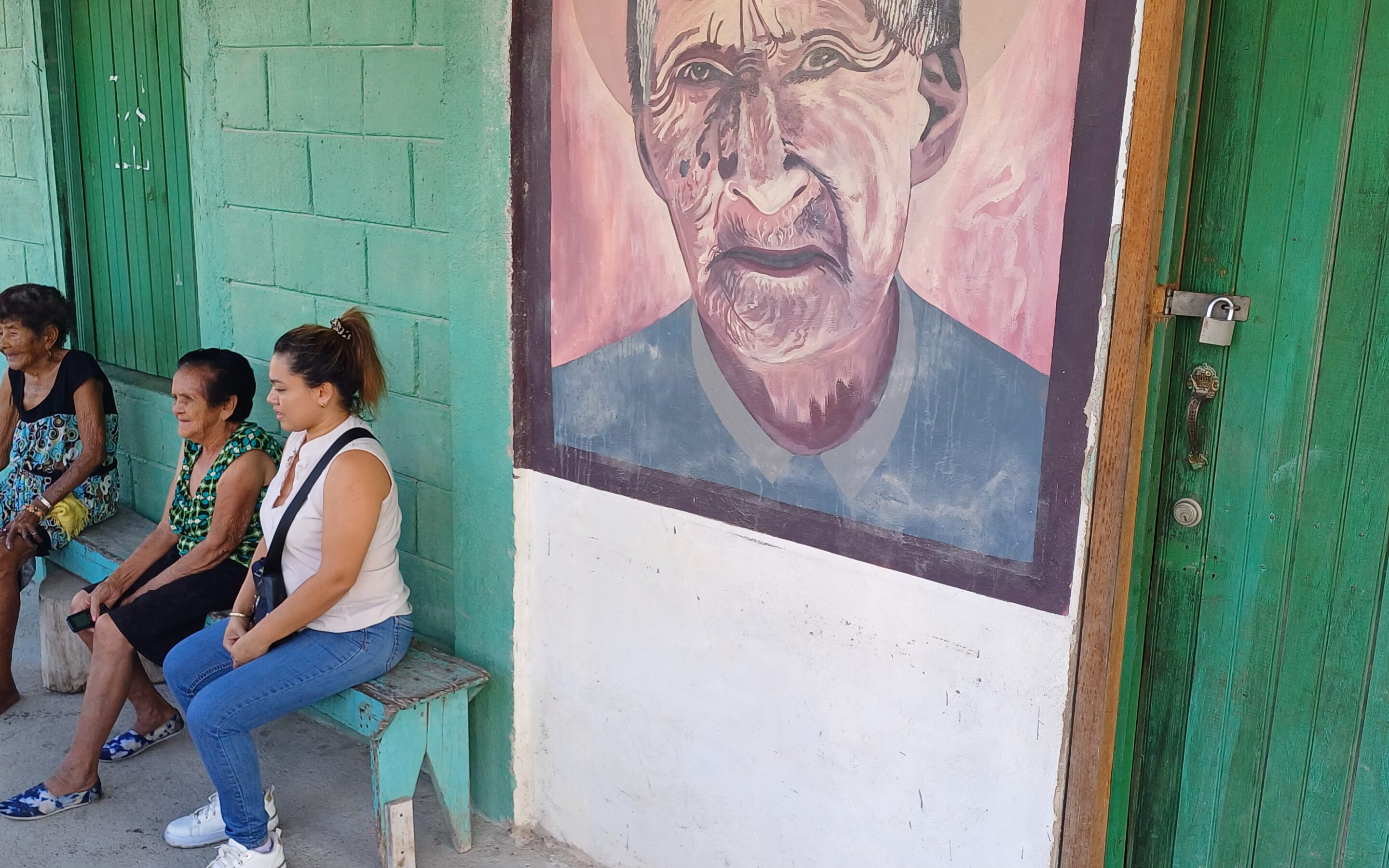
The Casa Hogar de los Mensajeros de la Tercera Edad (hereafter, CMTE) in Potrerillos is the only institution that carries out social activities and provides healthcare support for people over 65 years old, many of whom are in vulnerable situations, in the city. Currently, 476 people benefit from the services and activities they organize.

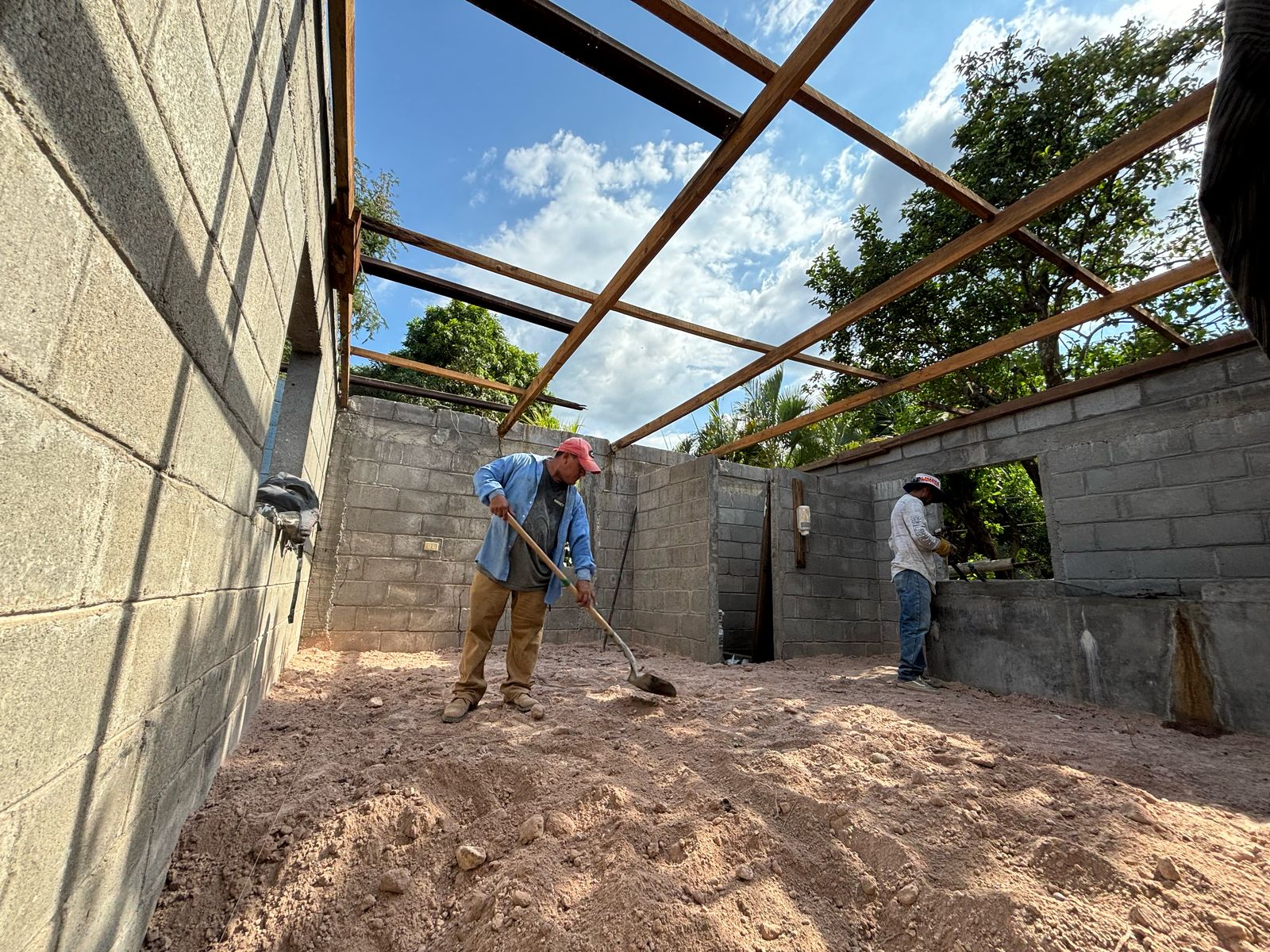
The main objective of the project is to improve the conditions of the facilities, approximately 400 m² in size, which are in a significant state of deterioration: the roof is severely damaged and cannot support the weight of the current zinc sheets, there is poor insulation on doors and windows, the kitchen does not meet optimal hygienic or operational conditions, there is no adequate room to conduct medical consultations, and there are no adapted bathrooms. In these conditions, three elderly homeless people also live on-site, without a specific and suitable space in which to reside.

For this reason, it is important to renovate the deteriorated parts of the building, improve climate control, and adapt specific spaces for healthcare activities, accommodation for homeless people, meal preparation, and accessible bathrooms suited to the mobility challenges of the elderly.

The project also counts on the support of the managing entity of the Elderly Home, led by its President, and the Municipality of Potrerillos. Until the start of the project, the municipality had not allocated any budget, but it is now acting as a counterpart by providing the staff in charge of the project and part of the materials needed for the rehabilitation. Furthermore, linked to the physical improvement of the space, the Municipality has committed to expanding services for elderly care by hiring two staff members who will perform user support tasks and maintain the facilities. Therefore, improving the conditions of the facilities has a positive impact on users by enhancing the services offered, expanding them, and ensuring optimal quality.

In summary, the project seeks to foster a space that enables elderly people living in Potrerillos to access services that promote healthy and active ageing—physically and socially—thus improving their well-being in this stage of life.

A collaboration with:

A project supported by:

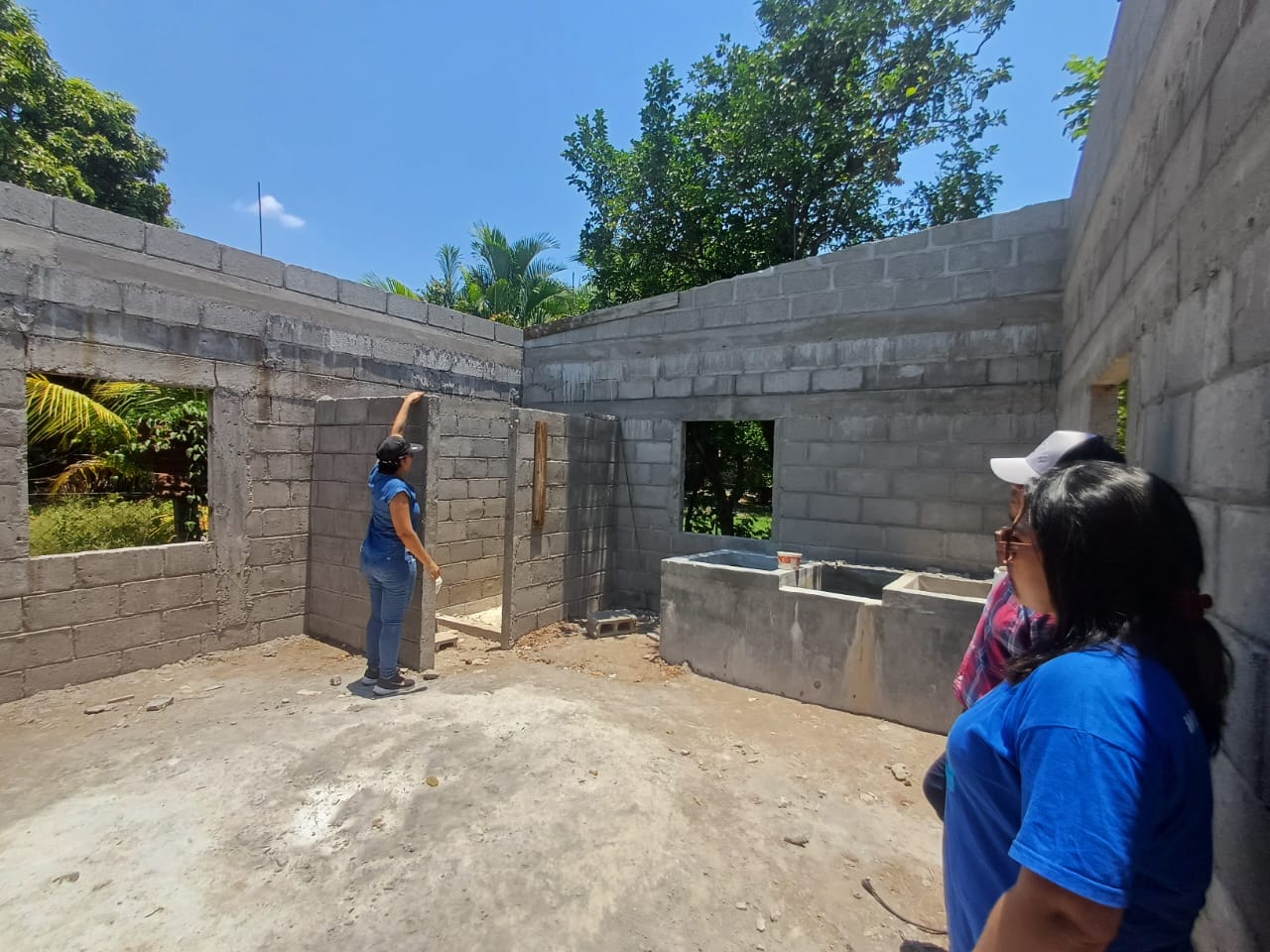
Construction of the school Dionisio Herrera in Dos Caminos

Construction of the school Dionisio Herrera in Dos Caminos

Construction of a school in Villanueva

Construction of the school Dionisio Herrera in Dos Caminos

IN 2009, WE VISITED THE DOS CAMINOS COLONY FOR THE FIRST TIME AND SAW HOW ALMOST 200 CHILDREN HAD A METAL ROOF AS THEIR SCHOOL, IN A SINGLE SPACE, USING FURNITURE IN PRECARIOUS CONDITIONS AND WITHOUT EVEN A SINGLE TOILET.

This project is located in the Gracias a Dios neighbourhood of Villanueva, in the department of Cortés, where most of the country’s economic and labour activity is concentrated. Like many other neighbourhoods in this department, it is characterised by being a human settlement on the outskirts of the city and is constantly growing. The public administration is unable to meet the basic needs of all its communities, so that in the most isolated ones there are numerous deficiencies, especially in the areas of education and health.


The project enabled the construction of a single building with a total of six classrooms, a staff room and a small storage room. Each classroom has its own bathroom and the entire building is surrounded by a wall to enclose the school playground.

This construction marked a turning point for the school’s pupils and teachers, as the educational environment was completely transformed, which has had a very positive impact on improving the educational conditions for the children in the neighbourhood.

TOWN COUNCILS AND FUNDING ENTITIES

25.000,00 euros (2010)

4.465,00 euros (2010 i 2011)

4.422,78 euros (2010)

2.500,00 euros (2010)

Improving Accessibility of the Primary Education School in Douar de Tighmarte (Morocco)

Improving Accessibility of the Primary Education School in Douar de Tighmarte (Morocco)

Improving Accessibility of the Primary Education School in Douar de Tighmarte (Morocco)

Project status: ongoing

SDGs addressed:

The positive outcomes of the 2024 collaboration and the good working relationship between ASL and the Association de Jeunes pour le Développement Rural de Tighmarte mean that in 2025 we continue working with the Tighmarte community in the Moroccan High Atlas.

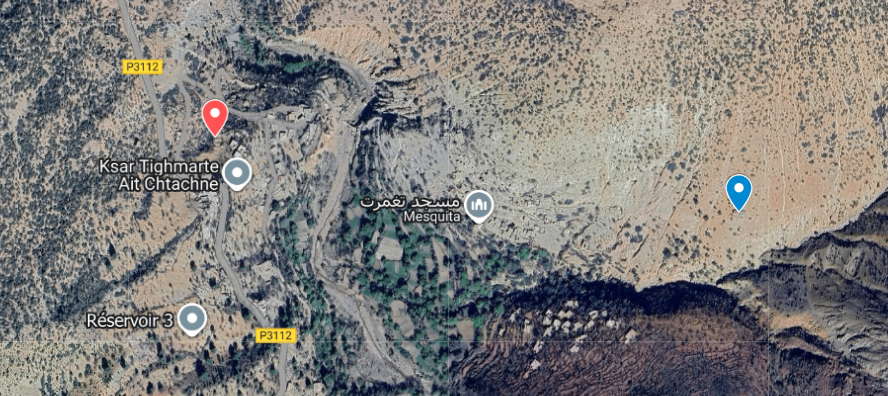
This year’s project proposal involves relocating the current municipal school to a new site. At present, the school is located about 3 km from the urban area, accessible only on foot and without proper paths. Furthermore, it lies at the foot of the mountain, making it vulnerable to flooding. The current facilities consist of prefabricated classrooms with no toilets, which limits access to basic and dignified hygiene services. The school currently hosts around 30 students and has two teachers in charge.


The main goal of the project is to build solid and suitable facilities that will put an end to the precarious and temporary conditions of the prefabricated classrooms. The new school will be located close to the inhabited area, with easy access for the children of the community and for vehicles, also enabling attendance by students from neighboring villages. This new infrastructure will ensure access to education in safe spaces adapted to the needs of children, helping to improve the quality of learning. Moreover, the project will strengthen the educational work in the area, ensuring an essential service for the community. Thanks to these improvements, the plan includes adding a new educational service for early childhood (ages 3–6).

New school (red icon), Old school (blue icon)

In collaboration with:

A project supported by: